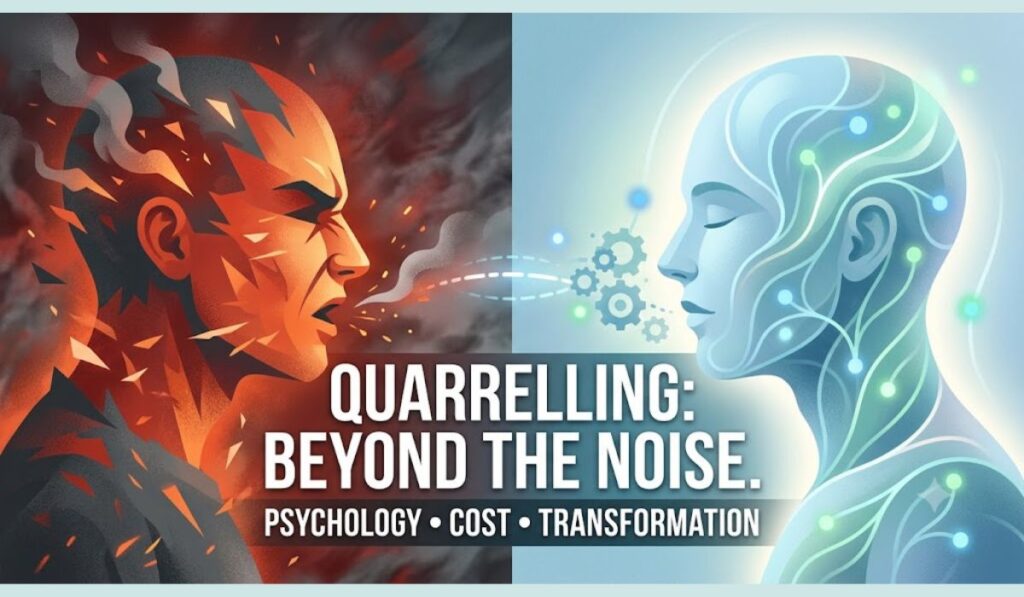
Beyond the Noise: Unpacking Psychology, Costs, and Transformation of Human Quarrelling
Disagreement is an inevitable thread in the fabric of human interaction. Wherever people coexist—within families, workplaces, neighborhoods, or digital networks—differing priorities, perspectives, and emotional needs will eventually clash. Yet, there is a fundamental distinction between a constructive exchange of ideas and a quarrel.
While a healthy debate seeks clarity or resolution, a quarrel is defined by emotional friction, defensiveness, and personal agitation. To navigate conflict effectively, we must look beyond the immediate noise of an argument to understand why quarrels ignite, what they cost us, and how their underlying energy can be transformed into stronger, more resilient human connections.
Anatomy of a Dispute: Antecedents and Triggers
Quarrels rarely erupt out of nowhere; they are almost always the culmination of underlying conditions. In behavioral psychology, these preconditions are known as antecedents.
“Between stimulus and response there is a space. In that space is our power to choose our response. In our response lies our growth and our freedom.”
Viktor E. Frankl (Neurologist, Psychiatrist, and Author)
The friction typically builds through three main channels:
1. Physiological Vulnerability: Chronic stress, burnout, physical pain, and simple fatigue significantly lower our threshold for frustration. When the nervous system is already operating near capacity, minor inconveniences are easily perceived as major threats.
2. Cognitive Distortions: Hostile attribution bias—the tendency to assume malicious intent behind someone else’s neutral or accidental action—frequently sparks unnecessary disputes. Similarly, expecting loved ones or colleagues to intuitively “mind-read” our unexpressed needs guarantees disappointment and hostility.
3. Environmental and Structural Pressure: Tight deadlines at work, financial strain at home, cramped living conditions, or ambiguous boundaries over shared responsibilities create an environment where friction thrives.
The Landscape of Conflict Across Social Contexts
Because human relationships vary in depth and expectation, quarrelling manifests differently depending on the social setting:
• Family & Domestic Spheres: Here, quarrels carry deep emotional weight. An argument over household chores or sibling asset division is rarely just about the immediate topic; it often acts as a proxy for long-standing grievances, feelings of unappreciation, or childhood dynamics.
• Professional Contexts: In the workplace, disputes often center on resource allocation, credit for achievements, or competing operational goals. When left unmanaged, professional quarrels slow productivity, destroy morale, and turn collaborative projects into battlegrounds of ego.
• Community & Digital Spaces: In neighborhoods, conflicts often revolve around territory, noise, and shared boundaries. Online, the disinhibition effect—caused by anonymity and physical distance—accelerates hostility, turning minor differences of opinion into harsh personal attacks.
The Hidden Costs of Unresolved Friction
While an argument can occasionally serve as a short-term pressure valve to highlight an unaddressed issue, the long-term consequences of frequent quarrelling are overwhelmingly destructive.
“Criticism attacks the character of the person, whereas a complaint addresses a specific action. Unchecked, criticism escalates into defensiveness and contempt, which destroys relational connection.”
Dr. John Gottman (Psychologist and Relationship Researcher)
When a quarrel escalates, the body enters a fight-or-flight response, flooding the system with cortisol and adrenaline. Prolonged exposure to this state contributes to chronic psychological fatigue, elevated blood pressure, and weakened immunity.
Beyond the physical toll, the relational damage is profound. Repeated arguments substitute warmth and psychological safety with defensiveness and apathy. In the heat of anger, harsh words are spoken that cannot be retracted, inflicting lasting wounds on mutual trust and respect.
Shifting from “Me vs. You” to “Us vs. The Problem”
Breaking the cycle of destructive quarrelling does not mean eliminating disagreement altogether; rather, it requires changing how disagreement is handled.
“The key to conflict resolution is not to focus on positions, but to uncover the underlying interests and needs that both parties are trying to protect.”
William Ury (Co-founder of the Harvard Negotiation Project)
Transforming a hostile clash into a win-win outcome relies on four core principles:
1. Pause and Regulate First
When emotional intensity surges, logical reasoning declines. Stepping back for a brief, agreed-upon time-out allows the physical nervous system to cool down, ensuring that subsequent discussions are driven by logic rather than emotional reactivity.
2. Distinguish Positions from Needs
People often fight over rigid positions (“I want this done my way”). Achieving a constructive outcome requires uncovering the core human need beneath the position—whether that need is for respect, appreciation, security, or autonomy.
3. Shift from Accusation to Expression
Replacing “You” statements (“You always ignore me”) with “I” statements (“I feel overwhelmed when my input isn’t considered”) removes the immediate threat of personal attack, reducing the other party’s need to act defensively.
4. Protect Dignity and Reconnect
In any dispute, the goal must shift from “winning” to finding a shared path forward. Closing a difficult conversation with mutual respect and a clear acknowledgment of each other’s perspective helps repair the relationship and builds a stronger foundation for the future.
The Path Forward
“Real communication occurs when we listen with understanding—to see the expressed idea and attitude from the other person’s point of view.”
Carl Rogers (Humanistic Psychologist):
Quarrelling is a natural signal that something in a relationship or environment requires attention. By learning to recognize early antecedents, managing emotional reactions, and focusing on underlying needs rather than winning arguments, we can move away from destructive friction. In doing so, conflict ceases to be a force that divides us and becomes an opportunity to cultivate deeper understanding, empathy, and lasting trust.

কলহের আড়ালে: ঝগড়ার মনস্তত্ত্ব, ক্ষতিকারক দিক এবং রূপান্তরের উপায়
মানুষের পারস্পরিক সম্পর্কের একটি স্বাভাবিক দিক হলো মতবিরোধ। পরিবার, কর্মক্ষেত্র, প্রতিবেশী বা ডিজিটাল মাধ্যম—যেখানেই মানুষ একসাথে কাজ করে বা বসবাস করে, সেখানেই নিজস্ব অগ্রাধিকার, চিন্তাভাবনা এবং আবেগের পার্থক্যের কারণে দ্বন্দ্ব দেখা দিতে পারে। তবে একটি গঠনমূলক আলোচনা এবং একটি উত্তপ্ত ঝগড়া বা কলহের (Quarrel) মধ্যে মৌলিক পার্থক্য রয়েছে।
একটি সুস্থ তর্ক বা বিতর্ক যেখানে কোনো বিষয়কে স্পষ্টভাবে বুঝতে বা সমাধান করতে সাহায্য করে, সেখানে কলহ বা ঝগড়া তৈরি করে মানসিক উত্তেজনা, আত্মরক্ষামূলক মনোভাব এবং ব্যক্তিগত ক্ষোভ। বিরোধকে সঠিকভাবে পরিচালনা করতে হলে আমাদের তর্কের কোলাহলের গভীরে গিয়ে বুঝতে হবে—কেন কলহের সৃষ্টি হয়, এটি আমাদের কী পরিমাণ ক্ষতি করে এবং কীভাবে এই বিরোধের শক্তিকে ইতিবাচক সম্পর্কে রূপান্তরিত করা যায়।
বিরোধের নেপথ্য কারণ: পূর্ববর্তী পরিস্থিতি এবং সূত্রপাত (Antecedents & Triggers)
ঝগড়া বা কলহ হঠাৎ করে শূন্য থেকে তৈরি হয় না; এর পেছনে থাকে কিছু পূর্ববর্তী পরিস্থিতি। আচরণগত মনস্তত্ত্বে (Behavioral Psychology) এগুলোকে বলা হয় অ্যান্টিনসিডেন্ট (Antecedents)।
“উদ্দীপনা এবং প্রতিক্রিয়ার মাঝে একটি খালি জায়গা থাকে। সেই জায়গাতেই রয়েছে আমাদের প্রতিক্রিয়া বেছে নেওয়ার স্বাধীনতা। আর আমাদের সেই প্রতিক্রিয়ার ওপরই নির্ভর করে আমাদের বৃদ্ধি ও মুক্তি।” ভিক্টর ই. ফ্র্যাঙ্কল (Viktor E. Frankl)
সাধারণত তিনটি প্রধান মাধ্যমে এই মানসিক উত্তেজনা বা সংঘর্ষের সৃষ্টি হয়:
১. শারীরিক ও মানসিক দুর্বলতা: দীর্ঘদিনের মানসিক চাপ, চরম ক্লান্তি, শারীরিক অসুস্থতা বা ঘুমহীনতা মানুষের ধৈর্য কমিয়ে দেয়। যখন আমাদের স্নায়ুতন্ত্র আগে থেকেই চাপে থাকে, তখন খুব ছোটখাটো বিষয়কেও বড় হুমকি বলে মনে হতে পারে।
2. চিন্তাভাবনার ভুল বা বিভ্রান্তি (Cognitive Distortions): অন্যের সাধারণ বা ভুলবশত করা কোনো আচরণকে উদ্দেশ্যপ্রণোদিত মনে করা (Hostile Attribution Bias) অহেতুক ঝগড়ার জন্ম দেয়। একইভাবে, অন্য কেউ না বলতেই নিজের মনের কথা বুঝে নেবে—এমন আশা করাও হতাশা ও ক্ষোভের কারণ হয়।
3. পরিবেশগত ও পারিবারিক চাপ: কর্মক্ষেত্রের কাজের চাপ, পারিবারিক আর্থিক অনটন, সংকীর্ণ বাসস্থান বা দায়িত্বের অস্পষ্ট বণ্টন এমন এক পরিবেশ তৈরি করে যেখানে খুব সহজেই কলহ ছড়িয়ে পড়ে।
সামাজিক প্রেক্ষাপটে কলহের বিভিন্ন রূপ
মানুষের সম্পর্কের গভীরতা এবং প্রত্যাশার ওপর ভিত্তি করে কলহের ধরন ভিন্ন হতে পারে:
• পরিবার ও পারিবারিক জীবন: পরিবারের কলহগুলোতে গভীর আবেগ জড়িয়ে থাকে। গৃহস্থালির কাজ বা সম্পত্তির ভাগাভাগি নিয়ে তর্ক কেবল সেই নির্দিষ্ট বিষয় কেন্দ্রিক নয়; এর পেছনে জমে থাকা পুরানো ক্ষোভ বা অবমূল্যায়নের অনুভূতি লুকিয়ে থাকে।
• কর্মক্ষেত্র ও পেশাগত জীবন: কর্মক্ষেত্রে ঝগড়া বা বিরোধ সাধারণত সম্পদের বণ্টন, কৃতিত্ব নেওয়া বা কাজের লক্ষ্য নির্ধারণকে কেন্দ্র করে হয়। সঠিক সময়ে সমাধান না হলে এটি কাজের গতি ও সহকর্মীদের উৎসাহ কমিয়ে দেয়।
• সমাজ ও ডিজিটাল মাধ্যম: প্রতিবেশীদের মধ্যে সীমানা, শব্দ বা জায়গা ব্যবহার নিয়ে কলহ দেখা যায়। অন্যদিকে, ইন্টারনেটে নাম গোপন রাখার সুবিধা এবং মুখোমুখি না থাকার কারণে মানুষ খুব সহজেই আক্রমণাত্মক মন্তব্য করে বসে।
অমীমাংসিত কলহের লুকিয়ে থাকা ক্ষতি
সাময়িকভাবে ঝগড়া কোনো জমে থাকা ক্ষোভ বের করে দেওয়ার পথ হতে পারে, তবে ক্রমাগত কলহের দীর্ঘমেয়াদী ফলাফল অত্যন্ত ক্ষতিকর।
“সমালোচনা মানুষের চরিত্রকে আক্রমণ করে, আর অভিযোগ কোনো নির্দিষ্ট কাজকে নির্দেশ করে। সঠিক নজর না দিলে সমালোচনা আত্মরক্ষা ও অবজ্ঞার রূপ নেয়, যা সম্পর্কের মূল বন্ধন ভেঙে দেয়।”
ড. জন গটম্যান (Dr. John Gottman)
যখন একটি কলহ তীব্র আকার ধারণ করে, তখন আমাদের শরীর “ফাইট-অর-ফ্লাইট” (Fight-or-Flight) অবস্থায় চলে যায় এবং শরীরে কর্টিসল ও অ্যাড্রেনালিন হরমোনের মাত্রা বেড়ে যায়। দীর্ঘদিন এই উত্তেজনায় থাকলে মানসিক ক্লান্তি, উচ্চ রক্তচাপ এবং রোগ প্রতিরোধ ক্ষমতা কমে যাওয়ার মতো সমস্যা দেখা দিতে পারে।
শারীরিক ক্ষতির পাশাপাশি সম্পর্কের ওপর এর প্রভাব পড়ে গভীরভাবে। বারংবার ঝগড়ার ফলে পারস্পরিক উষ্ণতা ও বিশ্বাস নষ্ট হয়ে যায়। রাগের মাথায় বলা কটু কথা কখনো ফিরিয়ে নেওয়া যায় না, যা সম্পর্কের ইতিবাচক ভিত্তিকে চিরতরে ক্ষতিগ্রস্ত করে।
“আমি বনাম তুমি” থেকে “আমরা বনাম সমস্যা”-য় রূপান্তর
ঝগড়ার চক্র থেকে বের হওয়ার অর্থ মতবিরোধ সম্পূর্ণ মুছে ফেলা নয়; বরং মতবিরোধ সামলানোর উপায় পরিবর্তন করা।
“প্রতিটি সমালোচনা, বিচার, এবং রাগের বহিঃপ্রকাশ হলো আসলে একটি অপূর্ণ চাহিদার করুণ প্রকাশ।”
মার্শাল বি. রোজেনবার্গ (Marshall B. Rosenberg)
একটি সংঘাতকে গঠনমূলক সমাধানের দিকে নিয়ে যেতে চারটি মৌলিক নীতি মেনে চলা প্রয়োজন:
১. কিছুটা বিরতি নিন এবং মাথা ঠান্ডা করুন
আবেগের তীব্রতা বাড়লে যুক্তিপূর্ণ চিন্তা কমে যায়। ঝগড়া বাড়ার মুহূর্তে কিছুক্ষণের জন্য বিরতি (Time-out) নিলে স্নায়ুতন্ত্র শান্ত হয় এবং পরবর্তীতে যুক্তির ভিত্তিতে কথা বলা সম্ভব হয়।
২. অবস্থান এবং আসল চাহিদার পার্থক্য বুঝুন
মানুষ প্রায়ই তাদের জেদ বা অবস্থান (“আমি যা বলছি সেটাই হতে হবে”) নিয়ে লড়াই করে। কিন্তু এর গভীরে থাকা আসল প্রয়োজনটি (সম্মান, নিরাপত্তা, মূল্যায়ন বা স্বাধীনতা) খুঁজে বের করতে পারলেই উইন-উইন (Win-Win) বা উভয়ের জন্য লাভজনক সমাধান সম্ভব।
৩. দোষারোপের বদলে নিজস্ব অনুভূতির প্রকাশ
“তুমি সবসময় এমন করো” না বলে “আমি” দিয়ে কথা বলুন—যেমন: “তুমি যখন আমার কথা শোনো না, তখন আমি হতাশ বোধ করি।” এটি অপর পক্ষকে আত্মরক্ষামূলক বা আক্রমণাত্মক হওয়া থেকে বিরত রাখে।
৪. আত্মসম্মান বজায় রাখা এবং পুনরায় যুক্ত হওয়া
যেকোনো তর্কে জেতার চেয়ে সম্পর্ক রক্ষা করা বেশি গুরুত্বপূর্ণ। পারস্পরিক সম্মান বজায় রেখে এবং অন্যের দৃষ্টিভঙ্গিকে স্বীকার করে আলোচনা শেষ করলে সম্পর্কের বন্ধন আরও দৃঢ় হয়।
সমাধানের পথ
“অধিকাংশ মানুষ বোঝার উদ্দেশ্যে শোনে না; তারা শোনে উত্তর দেওয়ার উদ্দেশ্যে।”
স্টিফেন আর. কোভেই (Stephen R. Covey)
কলহ মূলত একটি সংকেত—এটি নির্দেশ করে যে আমাদের সম্পর্ক বা পরিবেশে কোথাও মনোযোগ দেওয়া প্রয়োজন। বিরোধের প্রাথমিক কারণগুলো চিনতে পেরে, নিজের আবেগকে নিয়ন্ত্রণ করে এবং তর্কে জেতার বদলে আসল চাহিদার ওপর জোর দিয়ে আমরা ক্ষতিকর সংঘর্ষ এড়িয়ে চলতে পারি। এভাবে পরিচালনা করতে পারলে সংঘাত আর আমাদের দূরে ঠেলে দেবে না, বরং তা পারস্পরিক বোঝাপড়া, সহানুভূতি এবং গভীর বিশ্বাস গড়ে তোলার সুযোগ তৈরি করবে।