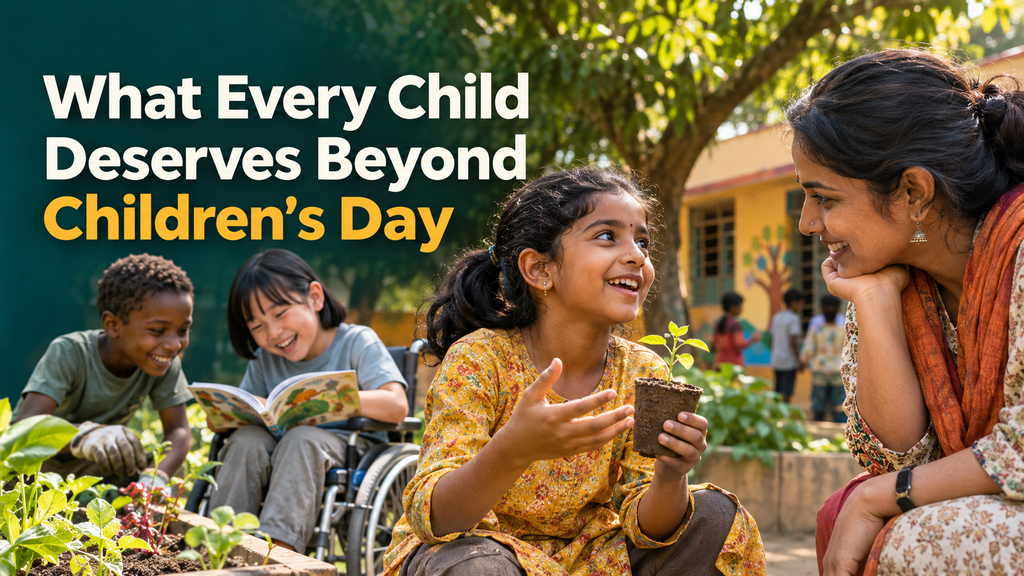
Celebrate Children’s Day. This Children’s Day, ask a child close to you, “What is one thing you wish grown-ups understood better about your life?”
The answer may be about school, a friendship, or a fear they have kept to themselves. They may simply want more time with you. Whatever they say, let them finish in their own words. The way we listen today can influence whether they come to us tomorrow with something harder to say.
India celebrates Children’s Day on November 14, the birth anniversary of its first prime minister, Jawaharlal Nehru. School programs, games, and family outings bring joy to the occasion. It is also a day to think about the girl who misses school to care for a sibling, the boy who hides his anxiety because he has been told to be brave, and the child who watches from the sidelines because a school activity was organized without considering their disability.
On November 20, World Children’s Day marks the anniversary of the adoption of the United Nations Convention on the Rights of the Child. India’s celebration is an opportunity to think about children everywhere, including those growing up amid conflict, displacement, poverty, or discrimination.
What rights does every child have?
The UN Convention on the Rights of the Child recognizes rights that shape a child’s everyday life. They can be understood in four broad areas.
1. Life, identity, and health. Every child has the right to life, a name, and birth registration, as well as access to health care, adequate nutrition, and safe drinking water.
2. Development. Children have the right to education, rest, play, and opportunities to take part in cultural and creative life.
3. Protection. Children have the right to privacy and to protection from violence, neglect, sexual abuse, and exploitation. This includes protection from hazardous work and work that interferes with their education.
4. Participation. Children have the right to express their views on matters that affect them. Adults should give those views due weight according to the child’s age and maturity.
These rights apply without discrimination. A child’s gender, caste, religion, language, disability, or family income should never determine whether they can exercise their rights. The child’s best interests must be a primary consideration in decisions affecting them. Parents and guardians have primary responsibility for raising children, and governments have a duty to support them.
In India, Article 21A of the Constitution and the Right of Children to Free and Compulsory Education Act provide for free and compulsory elementary education for children ages 6 to 14. Article 51A(k) places a corresponding duty on parents or guardians to provide educational opportunities to children in that age group. The state must make that education available. When a child struggles to attend regularly, the family and school can work together to identify and address what is getting in the way.
Two stories from the childhoods of Edison and Einstein
Thomas Edison and his mother’s lessons
Thomas Edison spent only a short time in formal schooling. His mother, Nancy, taught him reading, writing, and arithmetic at home. He also developed the habit of reading independently about subjects that interested him. When a child struggles to learn, an adult can look for a different way to help. A clearer explanation, a book connected to the child’s interests, or time to work at their own pace can give them a way forward.
Albert Einstein and the compass needle
Albert Einstein remembered seeing a magnetic compass when he was about four or five. The needle kept turning toward north even though he could see nothing pushing it. The experience stayed with him. When a child asks why a shadow moves or how a seed sprouts, try exploring the question together. A walk outside or a seed planted in a pot can give the child a chance to make a discovery of their own.
What whole-child development looks like
The UNESCO-led Tashkent Declaration brings together the different things young children need to grow and learn. It emphasizes responsive caregiving, health, nutrition, safety, protection, play, and early learning.
Imagine a preschooler who eats a nourishing meal, hears a story in a familiar language, builds something with a friend, and knows which adult to turn to when upset. Each part of that ordinary day supports a different aspect of development. As children grow, they also need room for physical activity, friendships, creativity, practical life skills, and increasing independence. A child can learn responsibility by caring for a plant, helping with a family task, or working with classmates on a project that benefits others.
Eight everyday responsibilities for parents and caregivers
1. Care for the child’s body and mind. Make time for nourishing food, sleep, physical activity, preventive health care, and unhurried conversation. Ask about friendships and worries as often as you ask about grades. Take persistent distress, withdrawal, or fear of school seriously and seek qualified help when needed.
2. Encourage learning from the early years. Talk, read, sing, and play with young children. As they grow, welcome questions and interests beyond school subjects. If a child struggles to read, see the board, or hear the teacher, pay attention and help them get the support they need.
3. Guide with warmth and clear limits. Explain the reasons behind rules and keep consequences proportionate. Help children correct their behavior without hitting, ridicule, or public shaming. When you lose your temper and act unfairly, apologize. Children learn how to take responsibility by watching adults do it.
4. Make it safe to speak up. Teach children, in age-appropriate language, that their bodies belong to them and that they can refuse unwanted touch or affection. Help them identify more than one trusted adult, including someone outside the household. Adults carry the responsibility for keeping children safe.
5. Protect time for play, rest, and growing independence. Leave some time free from tutoring, chores, and organized activities. Let children try a new sport, work through a disagreement, or take on a household task with appropriate guidance. As teenagers mature, give them more say in decisions about their studies and future.
6. Teach digital safety and respect privacy. Discuss what children can do if they face online bullying, pressure to share a photo, or an uncomfortable message. Explain when and why you supervise their online activity. Ask before sharing their photos or personal stories, and keep sensitive information private.
7. Share caregiving and make inclusion practical. Give daughters and sons equal opportunities to study, play, rest, and pursue their interests. Include fathers and other caregivers in daily care. Ask children with disabilities what would help them participate, whether that means accessible transport, adapted materials, or a change in how an activity is organized.
8. Give children a voice and a chance to contribute. Ask what they think when setting family routines or sharing responsibilities. Let them help a neighbor, care for a school garden, or join a community project. If you decide differently from what they wanted, explain your reasons and acknowledge what they told you.
How adults can prevent and respond to abuse
Abuse can happen at home, at school, in institutions, or online. The person responsible may be someone the child knows. Preventing physical and emotional violence, sexual abuse, neglect, bullying, and exploitation takes work from families, schools, community organizations, and public authorities.
Families can use nonviolent discipline. Schools and youth organizations can train staff, explain how to report concerns, and give children a safe way to speak up. Public authorities can enforce protections, support families under strain, and make help accessible. The World Health Organization’s INSPIRE framework brings these responsibilities together through measures such as safer environments, support for caregivers, and services for children affected by violence.
If a child tells you about abuse, stay calm and listen. You can say, “I’m glad you told me. This is not your fault.” Avoid pressing for details or promising secrecy. Explain that you will seek help to keep them safe. If the child is in immediate danger, call local emergency services. Follow local reporting requirements and contact the appropriate child protection authority or police.
In India, the Child Helpline is 1098 and the emergency number is 112. Under Section 19 of the Protection of Children from Sexual Offences Act, anyone who knows that an offense under the Act has occurred or apprehends that one is likely to occur must report it to the local police or the Special Juvenile Police Unit.
What families and nations stand to gain
The first rewards show up in ordinary family life. A teenager tells a parent about a mistake while there is still time to help. A younger child asks a question without fear of being laughed at. Siblings share a task and learn to work through a disagreement. These moments build trust that families can draw on when life gets harder.
When more children grow up healthy, educated, and able to participate fully, more young people can use their abilities to earn a living, start an enterprise, care for others, or address a problem in their community. Families, schools, health services, and local governments each have a part to play. A family can encourage a child to go to school. Local authorities and neighbors can help make the journey safe. The school can make sure the child can enter the classroom, take part, and learn.
Every child deserves these opportunities today, whatever path they choose as an adult.
Four books for parents and caregivers
1. Worried Parents, Growing Teenagers, co-authored with Chaitali Banerjee. Build trust and keep communication open while helping teenagers take greater responsibility for their choices.
2. Unlock Your Creative Intelligence. Encourage curiosity, experimentation, and independent thinking.
https://www.kobo.com/ie/en/ebook/unlock-your-creative-intelligence
3. Preventive Intelligence. Learn to recognize early signs of trouble and act before problems grow.
4. Why Don’t You Aspire Higher? Help young people explore meaningful ambitions and take practical steps toward them.
A promise we can keep beyond Children’s Day
Ask a child these three questions and give them time to answer.
1. When do you feel happy and safe?
2. What do you wish we understood better?
3. What is one change we could make together?
Choose one change you can keep. It could be a weekly walk together, a fairer division of chores, help with a problem at school, or more time to play. Write it down together. A month later, ask the child whether it helped. When children see something change because we took their words seriously, they learn that speaking up can make a difference.
Happy Children’s Day to children in India and around the world.
Sources
UNICEF, Convention on the Rights of the Child
https://www.unicef.org/child-rights-convention/convention-text
UNICEF, World Children’s Day
https://www.unicef.org/take-action/campaigns/world-childrens-day
Ministry of Education, India, Right to Education Act
https://www.education.gov.in/sites/upload_files/mhrd/files/document-reports/RTEAct.pdf
UNESCO, Tashkent Declaration on Early Childhood Care and Education
https://www.unesco.org/sites/default/files/medias/fichiers/2022/11/tashkent-declaration-ecce-2022.pdf
U.S. National Park Service, Edison Biography
https://www.nps.gov/edis/learn/historyculture/edison-biography.htm
American Institute of Physics, Einstein’s Formative Years
https://history.aip.org/exhibits/einstein/early1_text.htm
World Health Organization, INSPIRE Strategies for Ending Violence Against Children
NSPCC, What to Do If a Child Reveals Abuse
https://www.nspcc.org.uk/keeping-children-safe/reporting-abuse/what-to-do-child-reveals-abuse
Ministry of Women and Child Development, India, Child Helpline
https://www.wcd.gov.in/offerings/child-helpline-1098
India Code, Protection of Children from Sexual Offences Act
https://www.indiacode.nic.in/bitstream/123456789/14753/1/pocso.pdf
শিশু দিবসের পরেও প্রতিটি শিশুর যা প্রাপ্য
ড. গুরুদাস বন্দ্যোপাধ্যায়
শিশু দিবসে আপনার কাছের কোনো শিশুকে জিজ্ঞেস করুন, “তোমার জীবনের কোন কথাটা তুমি চাও, আমরা বড়রা আরও ভালো করে বুঝি?”
উত্তরে হয়তো সে বলবে স্কুলের কোনো দুশ্চিন্তার কথা, বন্ধুর সঙ্গে মনোমালিন্যের কথা, কিংবা এমন কোনো ভয়ের কথা যা সে এতদিন কাউকে বলতে পারেনি। হয়তো তার চাওয়া খুব সামান্য—আপনার সঙ্গে আরেকটু সময় কাটানো। উত্তর যা-ই হোক, তাকে নিজের মতো করে কথাটা শেষ করতে দিন।
ভারতের প্রথম প্রধানমন্ত্রী জওহরলাল নেহরুর জন্মদিন, ১৪ নভেম্বর, ভারতে শিশু দিবস হিসেবে পালিত হয়। স্কুলের অনুষ্ঠান, খেলাধুলা আর পরিবারের সঙ্গে সময় কাটানোর আনন্দের মধ্যেও ভাবার মতো একটি প্রশ্ন আছে। কোন শিশুর অভিজ্ঞতা আমাদের নজর এড়িয়ে যাচ্ছে? ছোট ভাইবোনের দেখাশোনা করতে গিয়ে যে মেয়েটি স্কুলে যেতে পারে না, ‘সাহসী হও’ শুনতে শুনতে যে ছেলেটি তার ভয় লুকিয়ে রাখে, কিংবা প্রয়োজনীয় ব্যবস্থা না থাকায় যে প্রতিবন্ধী শিশুটি স্কুলের অনুষ্ঠানে অংশ নিতে পারে না—তাদের কথাও এই দিনে শোনা দরকার।
২০ নভেম্বর বিশ্ব শিশু দিবস। দিনটি জাতিসংঘের শিশু অধিকার সনদ গৃহীত হওয়ার বার্ষিকী। ভারতের শিশু দিবস উপলক্ষে আমরা তাই বিশ্বের সব শিশুর কথা ভাবতে পারি, বিশেষ করে যারা যুদ্ধ, বাস্তুচ্যুতি, দারিদ্র্য বা বৈষম্যের মধ্যে বড় হচ্ছে।
প্রতিটি শিশুর অধিকার
জাতিসংঘের শিশু অধিকার সনদে স্বীকৃত অধিকারগুলোকে দৈনন্দিন জীবনের চারটি দিক থেকে দেখা যায়।
১। জীবন, পরিচয় ও স্বাস্থ্য। প্রতিটি শিশুর বেঁচে থাকার, নাম ও জন্মনিবন্ধনের, স্বাস্থ্যসেবা, পর্যাপ্ত পুষ্টি ও নিরাপদ পানীয় জল পাওয়ার অধিকার আছে।
২। বিকাশ। শিক্ষা, বিশ্রাম, খেলাধুলা এবং সাংস্কৃতিক ও সৃজনশীল কাজে অংশ নেওয়ার অধিকার আছে।
৩। সুরক্ষা। ব্যক্তিগত গোপনীয়তা রক্ষা এবং সহিংসতা, অবহেলা, যৌন নির্যাতন ও শোষণ থেকে সুরক্ষা পাওয়ার অধিকার আছে। বিপজ্জনক কাজ বা পড়াশোনায় বাধা সৃষ্টি করে এমন শ্রম থেকেও শিশুকে রক্ষা করতে হবে।
৪। অংশগ্রহণ। নিজের জীবনকে প্রভাবিত করে এমন বিষয়ে মত প্রকাশের অধিকার আছে। বয়স ও পরিণতিবোধ অনুযায়ী সেই মতামতকে গুরুত্ব দিতে হবে।
লিঙ্গ, জাতপাত, ধর্ম, ভাষা, প্রতিবন্ধিতা বা পারিবারিক আর্থিক অবস্থার কারণে কোনো শিশু এসব অধিকার থেকে বঞ্চিত হতে পারে না। শিশুর জীবনে প্রভাব ফেলে এমন সিদ্ধান্তে তার সর্বোত্তম স্বার্থকে অগ্রাধিকার দিতে হবে। শিশুর লালনপালন ও বিকাশের প্রাথমিক দায়িত্ব মা-বাবা ও অভিভাবকদের। সেই দায়িত্ব পালনে পরিবারকে সহায়তা করার কর্তব্য রাষ্ট্রের।
ভারতে সংবিধানের ২১ক (21A) অনুচ্ছেদ এবং শিক্ষার অধিকার আইন অনুযায়ী, ৬ থেকে ১৪ বছর বয়সী শিশুদের বিনামূল্যে ও বাধ্যতামূলক প্রাথমিক শিক্ষার অধিকার রয়েছে। রাষ্ট্রকে এই শিক্ষার ব্যবস্থা করতে হয়। সংবিধানের 51A(k) অনুচ্ছেদ অনুযায়ী, ওই বয়সের শিশুদের শিক্ষার সুযোগ করে দেওয়া মা-বাবা বা অভিভাবকেরও কর্তব্য। নিয়মিত স্কুলে যাওয়া কঠিন হলে পরিবার ও স্কুল মিলে তার কারণ খুঁজে সমাধানের চেষ্টা করতে পারে।
এডিসন ও আইনস্টাইনের শৈশবের দুটি গল্প
টমাস এডিসন ছোটবেলায় অল্প সময় স্কুলে পড়েছিলেন। তাঁর মা ন্যান্সি বাড়িতে তাঁকে পড়া, লেখা ও অঙ্ক শেখাতেন। বই পড়ে নিজের আগ্রহের বিষয় জানার অভ্যাসও গড়ে ওঠে তাঁর। কোনো শিশু শেখার পথে আটকে গেলে ন্যান্সির কাছ থেকে আমরা একটি শিক্ষা নিতে পারি। অন্যভাবে বুঝিয়ে বলা, শিশুর আগ্রহের সঙ্গে মেলে এমন বই খুঁজে দেওয়া, কিংবা নিজের গতিতে শেখার সময় দেওয়া—এর যেকোনোটি তাকে এগিয়ে নিতে পারে।
চার-পাঁচ বছর বয়সে একটি চৌম্বক কম্পাস দেখার কথা আলবার্ট আইনস্টাইনের মনে ছিল। চোখে কোনো কিছু দেখা যাচ্ছিল না, অথচ কাঁটাটি বারবার উত্তর দিকে ঘুরে যাচ্ছিল। সেই বিস্ময় তাঁর মনে থেকে যায়। আপনার শিশুও হয়তো জিজ্ঞেস করে, “ছায়াটা সরে যায় কেন?” কিংবা “বীজের ভেতর থেকে গাছ বেরোয় কী করে?” কখনো উত্তরটি সঙ্গে সঙ্গে বলে দেওয়ার বদলে তার সঙ্গে খুঁজে দেখুন। নিজের প্রশ্নের সূত্র ধরে কিছু আবিষ্কার করার আনন্দ সে তখন নিজেই পাবে।
শিশুর সামগ্রিক বিকাশে কী প্রয়োজন
ইউনেস্কোর নেতৃত্বে গৃহীত তাসখন্দ ঘোষণায় শৈশবের প্রথম পর্যায়ের যত্ন ও শিক্ষাকে একসঙ্গে দেখা হয়েছে। শিশুর চাহিদা বুঝে সাড়া দেওয়া, পুষ্টি, স্বাস্থ্য, নিরাপত্তা, খেলা এবং শেখার সুযোগ—সবই এর অংশ।
ভাবুন, একটি শিশু পুষ্টিকর খাবার খেল, পরিচিত ভাষায় গল্প শুনল, বন্ধুর সঙ্গে কিছু বানাল, আর মন খারাপ হলে কাকে বলবে তাও জানল। দিনের এই সাধারণ অভিজ্ঞতাগুলো তার বিকাশের বিভিন্ন দিকে সাহায্য করে। বয়স বাড়ার সঙ্গে শরীরচর্চা, বন্ধুত্ব, শিল্প-সংস্কৃতি, হাতে-কলমে কাজ ও নিজের সিদ্ধান্ত নেওয়ার সুযোগও বাড়ানো যায়।
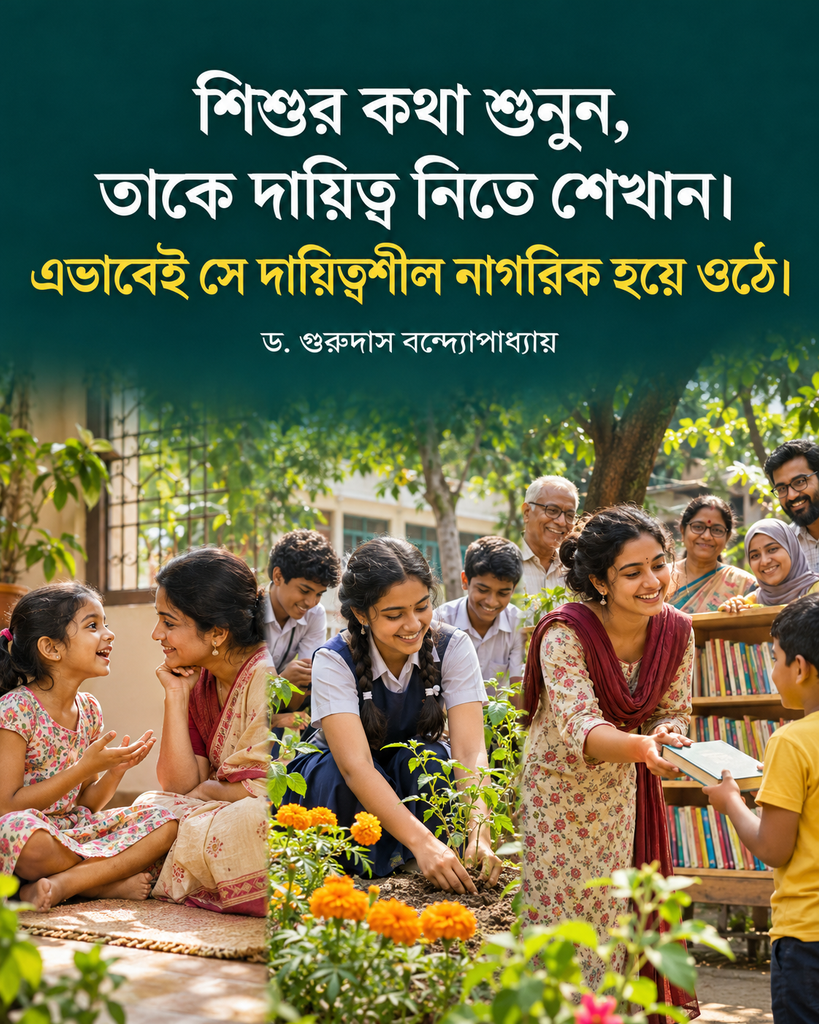
মা-বাবা ও অভিভাবকের আটটি দৈনন্দিন দায়িত্ব
১। শরীর ও মনের যত্ন নিন। পুষ্টিকর খাবার, পর্যাপ্ত ঘুম, খেলাধুলা ও নিয়মিত স্বাস্থ্যসেবার সুযোগ দিন। নম্বরের খবরের পাশাপাশি বন্ধুদের কথা ও মনের খবর নিন। দীর্ঘদিন মনমরা থাকা, নিজেকে গুটিয়ে নেওয়া বা স্কুলে যেতে ভয় পাওয়ার মতো সমস্যাকে গুরুত্ব দিন এবং প্রয়োজনে যোগ্য পেশাজীবীর সাহায্য নিন।
২। ছোটবেলা থেকেই শেখার আনন্দ তৈরি করুন। কথা বলুন, গল্প পড়ুন, গান করুন, একসঙ্গে খেলুন। পড়তে, বোর্ড দেখতে বা শিক্ষকের কথা শুনতে অসুবিধা হলে কারণ বুঝে যথাসময়ে সহায়তা দিন। পাঠ্যবইয়ের বাইরেও শিশুকে প্রশ্ন করতে ও নতুন কিছু চেষ্টা করতে দিন।
৩। স্নেহের সঙ্গে স্পষ্ট নিয়ম রাখুন। কেন নিয়মটি দরকার, তা বুঝিয়ে বলুন। মারধর, বিদ্রূপ বা সবার সামনে অপমান এড়িয়ে আচরণ সংশোধনে সাহায্য করুন। নিজে রেগে গিয়ে অন্যায় করলে ক্ষমা চান। নিজের ভুলের দায়িত্ব কীভাবে নিতে হয়, শিশুরা আমাদের দেখেই শেখে।
৪। শিশুকে নিরাপদে কথা বলার সুযোগ দিন। নিজের শরীরের ওপর তার অধিকার আছে এবং অস্বস্তিকর স্পর্শ বা আদর সে প্রত্যাখ্যান করতে পারে—এ কথা বয়স অনুযায়ী বোঝান। পরিবারের ভেতরে ও বাইরে এমন একাধিক বিশ্বাসযোগ্য বড় মানুষকে চিনতে সাহায্য করুন, যাঁদের কাছে সে প্রয়োজনে যেতে পারে। সুরক্ষার দায়িত্ব প্রাপ্তবয়স্কদের।
৫। খেলা, বিশ্রাম ও বয়সোপযোগী স্বাধীনতা দিন। পড়া, টিউশন ও ঘরের কাজের বাইরে কিছু অবসর রাখুন। নতুন খেলায় যোগ দেওয়া, বন্ধুর সঙ্গে মতভেদ সামলানো বা ঘরের ছোট কাজের দায়িত্ব নেওয়ার সুযোগ দিন। কিশোর-কিশোরীদের পড়াশোনা ও ভবিষ্যৎ নিয়ে সিদ্ধান্তে তাদের মতামতের জায়গা বাড়ান।
৬। ডিজিটাল নিরাপত্তা ও গোপনীয়তা শেখান। অনলাইনে হয়রানি, ছবি পাঠানোর চাপ বা অস্বস্তিকর বার্তা এলে কী করবে, আগে থেকেই আলোচনা করুন। কখন এবং কেন তার অনলাইন ব্যবহার তদারক করবেন, তা জানিয়ে দিন। শিশুর ছবি বা ব্যক্তিগত গল্প প্রকাশের আগে তার মত নিন। সংবেদনশীল তথ্য ব্যক্তিগত রাখুন।
৭। যত্নের কাজ ভাগ করুন এবং সবার অংশগ্রহণের ব্যবস্থা করুন। মেয়ে ও ছেলে উভয়কেই পড়া, খেলা, বিশ্রাম ও নিজের আগ্রহ অন্বেষণের সমান সুযোগ দিন। বাবা ও অন্য অভিভাবকদেরও দৈনন্দিন যত্নে যুক্ত করুন। কোনো প্রতিবন্ধী শিশুর অংশগ্রহণের জন্য যাতায়াত, উপকরণ বা আয়োজনের ধরন বদলানো দরকার কি না, তার নিজের কথাও শুনুন।
৮। মতামত ও অবদানের সুযোগ দিন। পারিবারিক নিয়ম বা দায়িত্ব ভাগ করার সময় শিশুর মত নিন। কাউকে সাহায্য করা, স্কুলের বাগানের যত্ন নেওয়া বা পাড়ার পাঠাগারে কাজ করার মতো সুযোগ দিন। শেষ সিদ্ধান্ত তার পছন্দের সঙ্গে না মিললে কারণটি বুঝিয়ে বলুন।
নির্যাতন ঠেকাতে ও শিশুকে সুরক্ষা দিতে কী করবেন
শিশু বাড়ি, স্কুল, কোনো প্রতিষ্ঠান বা অনলাইনে নির্যাতনের শিকার হতে পারে। নির্যাতনকারী তার পরিচিত মানুষও হতে পারে। শারীরিক ও মানসিক নির্যাতন, যৌন নিপীড়ন, অবহেলা, হয়রানি ও শোষণ ঠেকাতে পরিবারের পাশাপাশি স্কুল, শিশুদের নিয়ে কাজ করা প্রতিষ্ঠান এবং সরকারি সংস্থারও দায়িত্ব আছে। প্রতিষ্ঠানগুলো কর্মীদের প্রশিক্ষণ দিতে পারে, অভিযোগ জানানোর স্পষ্ট পদ্ধতি রাখতে পারে এবং শিশুর জন্য নিরাপদে কথা বলার পথ তৈরি করতে পারে। বিশ্ব স্বাস্থ্য সংস্থার নেতৃত্বে তৈরি INSPIRE কাঠামোতে নিরাপদ পরিবেশ, অভিভাবকদের সহায়তা এবং নির্যাতনের পর সুরক্ষা ও সহায়তা দেওয়ার ওপর গুরুত্ব দেওয়া হয়েছে।
কোনো শিশু নির্যাতনের কথা বললে শান্ত থাকুন এবং মন দিয়ে শুনুন। বলতে পারেন, “আমাকে বলেছ, ভালো করেছ। এতে তোমার কোনো দোষ নেই।” বিস্তারিত বলার জন্য চাপ দেবেন না বা সব কথা গোপন রাখার প্রতিশ্রুতি দেবেন না। তাকে নিরাপদ রাখতে প্রয়োজনীয় সাহায্য নেবেন বলে জানান। তাৎক্ষণিক বিপদে স্থানীয় জরুরি পরিষেবায় যোগাযোগ করুন। স্থানীয় আইন অনুযায়ী উপযুক্ত শিশু সুরক্ষা কর্তৃপক্ষ বা পুলিশকে জানান।
ভারতে শিশু সহায়তা নম্বর ১০৯৮ এবং জরুরি নম্বর ১১২। যৌন অপরাধ থেকে শিশুদের সুরক্ষা আইন বা পকসো আইনের ১৯ নম্বর ধারা অনুযায়ী, ওই আইনের আওতায় কোনো অপরাধ ঘটেছে বলে জানা গেলে, অথবা ঘটতে পারে বলে আশঙ্কা থাকলে, স্থানীয় পুলিশ বা বিশেষ কিশোর পুলিশ ইউনিটকে জানাতে হয়।
পরিবার ও দেশের কী লাভ
এর সুফল প্রথমে ধরা পড়ে ঘরের ছোট ছোট ঘটনায়। কোনো কিশোর তার ভুলের কথা এমন সময়ে জানায়, যখন পরিবার এখনও তাকে সাহায্য করতে পারে। ছোট একটি শিশু হাসির পাত্র হওয়ার ভয় ছাড়াই প্রশ্ন করে। ভাইবোনেরা কাজ ভাগ করে নেয়, মতভেদ হলেও কথা বলে সমাধান খোঁজে। এই আস্থা কঠিন সময়েও পরিবারকে একসঙ্গে সমস্যা সামলাতে সাহায্য করে।
আরও বেশি শিশু সুস্থভাবে বেড়ে ওঠার, শেখার ও সমাজে অংশ নেওয়ার সুযোগ পেলে, আরও বেশি তরুণ তাদের সামর্থ্য কাজে লাগাতে পারে। কেউ উদ্যোগ গড়ে তোলে, কেউ অন্যের যত্ন নেয়, কেউ এলাকার সমস্যা সমাধানে এগিয়ে আসে। পরিবার শিশুকে স্কুলে যেতে উৎসাহ দিতে পারে। স্থানীয় প্রশাসন ও এলাকাবাসী তার যাতায়াত নিরাপদ করতে পারে। স্কুল নিশ্চিত করতে পারে যে সে ক্লাসে অংশ নিতে ও শিখতে পারছে। শিশু বড় হয়ে যে পথই বেছে নিক, এই সুযোগগুলো আজই তার প্রাপ্য।
অভিভাবকদের জন্য চারটি বই
১। Worried Parents, Growing Teenagers — চৈতালি ব্যানার্জির সঙ্গে যৌথভাবে লেখা। কিশোর-কিশোরীদের সঙ্গে আস্থা ও খোলামেলা কথোপকথন গড়ে তোলার জন্য।
Print book https://www.amazon.com/dp/B0HRJMGKD5/ref=tmm_pap_swatch_0
২। Unlock Your Creative Intelligence — কৌতূহল, পরীক্ষা-নিরীক্ষা ও স্বাধীন চিন্তাকে উৎসাহ দিতে।
https://www.kobo.com/ie/en/ebook/unlock-your-creative-intelligence
৩। Preventive Intelligence — সমস্যার আগাম লক্ষণ চিনে সময়ে পদক্ষেপ নিতে।
৪। Why Don’t You Aspire Higher? — তরুণদের বড় স্বপ্ন দেখতে ও সেই লক্ষ্যে এগোতে উৎসাহ দিতে।
শিশু দিবসের পরেও যে প্রতিশ্রুতি রাখা যায়
এবার শিশু দিবসে কোনো শিশুকে তিনটি প্রশ্ন করুন। উত্তর দেওয়ার জন্য তাকে সময় দিন।
১। কখন তোমার ভালো লাগে আর নিরাপদ বোধ হয়?
২। তোমার কোন কথাটা আমরা আরও ভালো করে বুঝতে পারি?
৩। আমরা একসঙ্গে কী একটা পরিবর্তন আনতে পারি?
এমন একটি পরিবর্তন বেছে নিন যা আপনারা ধরে রাখতে পারবেন। প্রতি সপ্তাহে একসঙ্গে হাঁটা, ঘরের কাজ আরও ন্যায্যভাবে ভাগ করা, স্কুলের কোনো সমস্যা নিয়ে কথা বলা বা খেলতে যাওয়ার সময় রাখা—যেকোনো একটি দিয়ে শুরু করুন। সিদ্ধান্তটি শিশুর সঙ্গে লিখে রাখুন। এক মাস পরে তাকে জিজ্ঞেস করুন, পরিবর্তনটি তার কাজে লেগেছে কি না। সে যখন দেখবে তার কথার ভিত্তিতে সত্যিই কিছু বদলেছে, তখন নিজের মত প্রকাশের মূল্য সে বুঝতে শিখবে।
ভারতসহ পৃথিবীর সব শিশুকে শিশু দিবসের আন্তরিক শুভেচ্ছা।
তথ্যসূত্র
জাতিসংঘের শিশু অধিকার সনদ, ইউনিসেফ
https://www.unicef.org/child-rights-convention/convention-text
ভারতের শিক্ষার অধিকার আইন
https://www.education.gov.in/sites/upload_files/mhrd/files/document-reports/RTEAct.pdf
ইউনেস্কোর তাসখন্দ ঘোষণা
https://www.unesco.org/sites/default/files/medias/fichiers/2022/11/tashkent-declaration-ecce-2022.pdf
এডিসনের জীবনী, যুক্তরাষ্ট্রের ন্যাশনাল পার্ক সার্ভিস
https://www.nps.gov/edis/learn/historyculture/edison-biography.htm
আইনস্টাইনের শৈশব, আমেরিকান ইনস্টিটিউট অব ফিজিক্স
https://history.aip.org/exhibits/einstein/early1_text.htm
শিশুদের বিরুদ্ধে সহিংসতা প্রতিরোধে INSPIRE, বিশ্ব স্বাস্থ্য সংস্থা
শিশু নির্যাতনের কথা জানালে কী করবেন, এনএসপিসিসি
https://www.nspcc.org.uk/keeping-children-safe/reporting-abuse/what-to-do-child-reveals-abuse
ভারতের শিশু সহায়তা নম্বর ও পকসো আইন
https://www.wcd.gov.in/offerings/child-helpline-1098
https://www.indiacode.nic.in/bitstream/123456789/14753/1/pocso.pdf