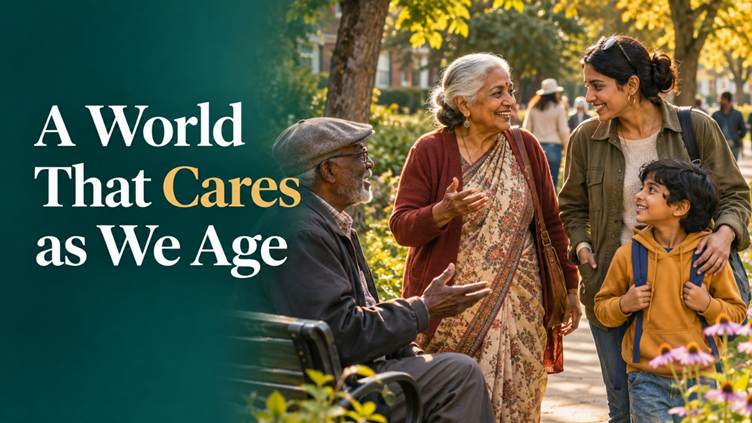
How individuals, families, and communities can help older adults live with dignity, choice, and connection
Dr. Gurudas Bandyopadhyay
Veterans Day prompted me to reflect on how we honor people who have served. That reflection led me to a wider question. How do we care for the people around us as they grow older?
Think of the farmer who fed a family, the teacher who encouraged a struggling student, and the grandmother who raised children while earning a living. Think, too, of the neighbor whose life we know little about. Each deserves the same consideration. The right to dignity and care belongs to every person at every age.
Older adulthood takes many forms. One person may be starting a new project at 80. Another may be finding it harder to leave home at 70. Even two people with similar needs may want very different kinds of support. We can begin by asking what matters to the person in front of us and listening to the answer.
What each of us can do
Start with someone you already know. Call an older friend you have been meaning to speak with. Invite a neighbor for tea or a walk. If you are going to the market, offer a ride or ask whether you can pick something up. Make a specific offer that is easy to accept or decline. “I’m going to the market on Saturday. Would you like to come along?” gives someone more to work with than “Let me know if you need anything.”
Give the conversation time to go somewhere. Ask what the person is enjoying these days, what they are learning, or what they wish were easier. A conversation can be about books, gardening, politics, or the neighborhood. When our questions extend beyond health and appointments, we make room for the rest of a person’s life.
What families can do
Make decisions together while there is time to consider options. Ask your older family member how they want to spend their days, where they would prefer to live, and what kind of help they would welcome. When a change becomes necessary, involve them in the conversation from the beginning. They may have a practical solution the family has overlooked.
Share the work in ways people can sustain. One relative might handle transportation, another might organize appointments with the older person’s agreement, and someone living far away might make regular calls or arrange deliveries. Check in with the family member who provides most of the day-to-day care. Offer a specific time to take over so they can rest, see a friend, or attend to their own responsibilities.
Keep older relatives part of ordinary family life. Invite them to join a meal, hear about a grandchild’s school project, or help plan a celebration if they wish. Ask what time, place, or arrangement would make it easier for them to join. Being included in a Saturday lunch can matter as much as being remembered on a birthday.
What communities can do
Look at the neighborhood through the eyes of someone who no longer drives, walks slowly, or has difficulty hearing in a crowded room. Can they reach a shop, library, place of worship, or community center? Is there somewhere to sit along the way? Can they find out about an event by phone or from a noticeboard? These questions reveal practical changes that can help people remain active in the places they call home.
A village association might organize shared rides to the market. A library might pair older adults and young volunteers for digital help or a local history project. A faith community might coordinate visits or calls with people who request them. The right approach will vary across countries and neighborhoods. Invite older residents to help decide what to offer, when to offer it, and how people can take part.
Begin with one person
Think of one older person you could reach out to this week. Ask, “What would make this week a little easier or more enjoyable for you?” The answer might be a ride, a shared meal, help with a phone, or a conversation with someone who has time to listen. Agree on what you can do, and follow through.
I hope that as I grow older, the people around me will keep asking what I think, what I want to learn, and how I would like to take part. We can give someone that experience today.
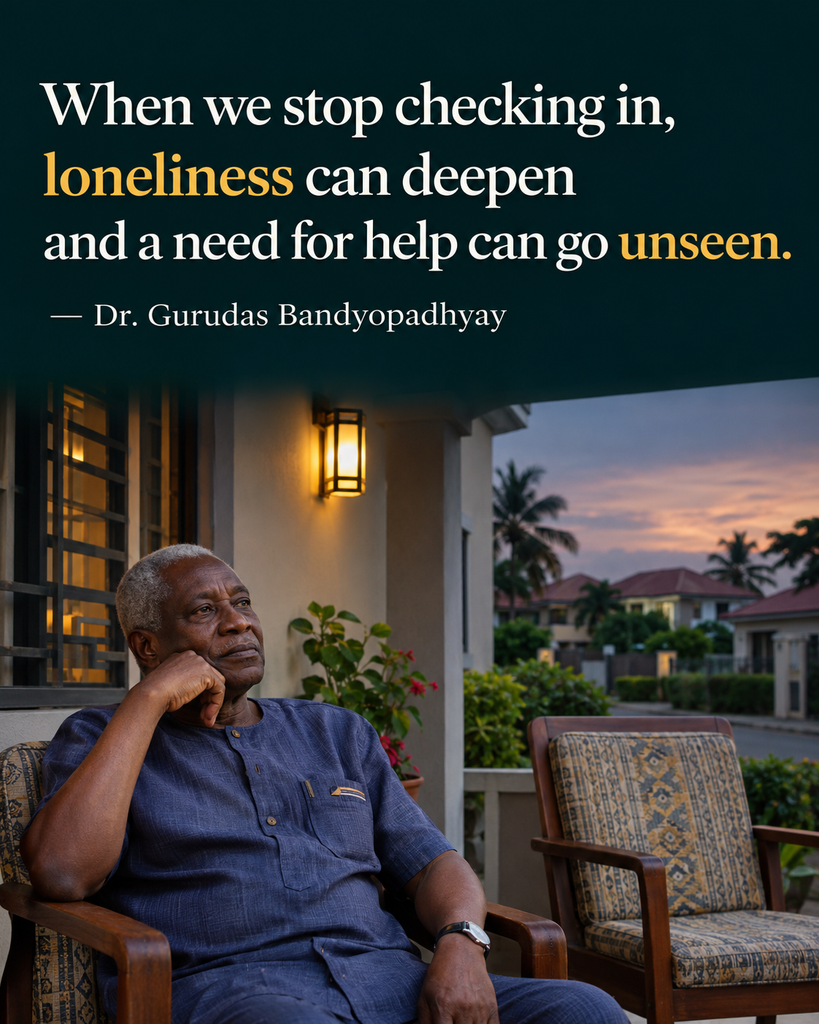
What family members can do
- Ask before stepping in. Find out what kind of help your older relative would welcome and what they prefer to handle themselves.
- Keep in touch regularly. Set a time for a call, visit, or shared walk that both of you can look forward to.
- Include them in everyday life. Invite them to ordinary meals, outings, and family conversations. Ask what would make it easier to join.
- Make decisions together. Discuss living arrangements, finances, and care preferences early, with your older relative guiding decisions about their own life.
- Share the work of caregiving. Divide tasks such as shopping, transportation, and paperwork. Give the person doing most of the daily care predictable breaks.
- Offer practical help at home. Ask whether better lighting, a handrail, or help with a household chore would make daily life easier.
- Support interests and friendships. Help them get to a class, reconnect with an old friend, or continue a hobby they enjoy.
- Build digital confidence. Show them how to make a video call, use an online service, or recognize a suspicious message. Let them practice at their own pace.
- Listen when something changes. If they seem withdrawn or stop doing something they usually enjoy, ask how they are doing and give them time to answer.
- Invite their contribution. Ask for their advice, learn a skill from them, or work on a family project together if they are interested.
How society and government can help
- Make public spaces easier to use. Local governments can provide well-maintained sidewalks, safe crossings, benches, accessible entrances, and public restrooms.
- Provide affordable transportation. Public agencies and community organizations can offer accessible buses, community shuttles, and ride services, especially in rural areas.
- Strengthen income security. Governments can improve access to pensions and other benefits so older adults can meet basic expenses with greater stability.
- Bring services closer to home. Governments and local providers can expand access to primary care, home-based support, and long-term care, including in underserved areas.
- Support family caregivers. Public programs and employers can offer respite care, training, flexible work arrangements, and caregiver leave.
- Create places to meet and belong. Libraries, faith groups, and community centers can host shared meals, walking groups, classes, and intergenerational activities.
- Keep essential services accessible offline. Agencies, banks, and service providers can maintain telephone and in-person options alongside online services.
- Protect people from abuse and exploitation. Governments and community organizations can provide accessible reporting channels, legal aid, and trained staff who respond promptly.
- Expand opportunities to work, learn, and volunteer. Employers, schools, and nonprofits can offer flexible ways for older adults to contribute and pursue new interests.
- Give older adults a voice in public decisions. Invite them to help design and evaluate the housing, transportation, and care services they use.
Seniors like to live longer years. Help them to live happily. To learn more, read my book – ONE GOAL: LIVE HAPPILY 100+ YEARS: Achieve Lifelong Health, Lasting Happiness, Meaningful Purpose, and Enduring Independence for a Fulfilling Life Beyond 100 Years https://www.amazon.com/dp/B0HLBH8LD1
প্রবীণদের মর্যাদা, স্বাধীনতা ও সামাজিক সংযোগ বজায় রাখতে পরিবার, সমাজ ও সরকার কী করতে পারে
ড. গুরুদাস বন্দ্যোপাধ্যায়
যুক্তরাষ্ট্রে ভেটেরান্স ডে উপলক্ষে সামরিক বাহিনীতে যাঁরা সেবা করেছেন, তাঁদের অবদানকে সম্মান জানানো হয়। দিনটি আমাকে আরও একটি প্রশ্নের সামনে দাঁড় করিয়েছে। আমাদের চারপাশের মানুষ যখন বয়সে প্রবীণ হন, তখন আমরা কীভাবে তাঁদের পাশে থাকি?
মনে পড়ে সেই কৃষকের কথা, যাঁর পরিশ্রমে বহু মানুষের ঘরে খাবার পৌঁছেছে। সেই শিক্ষকের কথা, যিনি কোনো এক ছাত্রকে নিজের ওপর বিশ্বাস রাখতে শিখিয়েছেন। মনে পড়ে সেই নারীর কথা, যিনি সংসার সামলে সন্তানদের বড় করেছেন। আর আছেন পাশের বাড়ির সেই মানুষটি, যাঁর জীবনের গল্প আমরা হয়তো কখনো শুনিনি। তাঁদের প্রত্যেকেরই মর্যাদার সঙ্গে বেঁচে থাকার এবং প্রয়োজনের সময় সহায়তা পাওয়ার অধিকার আছে।
বয়স বাড়ার অভিজ্ঞতা সবার এক রকম নয়। কেউ আশি বছর বয়সে নতুন কিছু শিখছেন। কেউ সত্তরেই বাজারে যাওয়ার জন্য একজন সঙ্গী পেলে স্বস্তি বোধ করেন। একই ধরনের অসুবিধা থাকলেও দুজন মানুষ দুই রকম সাহায্য চাইতে পারেন। তাই শুরুটা হোক একটি প্রশ্ন দিয়ে, “কোন কাজটায় পাশে থাকলে আপনার সুবিধা হবে?”
ব্যক্তি হিসেবে আমরা কী করতে পারি
পরিচিত কোনো প্রবীণ মানুষকে ফোন করুন। প্রতিবেশীকে একসঙ্গে চা খেতে বা হাঁটতে আমন্ত্রণ জানান। বাজারে যাওয়ার সময় বলতে পারেন, “শনিবার আমি বাজারে যাচ্ছি। আপনি কি সঙ্গে যেতে চান? চাইলে আপনার জন্য কিছু নিয়েও আসতে পারি।” এমন নির্দিষ্ট প্রস্তাবে তিনি সহজেই জানাতে পারেন কোনটি তাঁর পছন্দ।
কথা বলার সময় তাঁর আগ্রহের কথাও শুনুন। তিনি কী পড়ছেন, পাড়ার কোন পরিবর্তনটি তাঁর চোখে পড়েছে, কিংবা নতুন কী শিখতে চান, জানতে চান। কারও সঙ্গে সময় কাটানোর আনন্দ দুজনেরই হতে পারে।

পরিবারের সদস্যরা যা করতে পারেন
- সহায়তা করার আগে জিজ্ঞেস করুন। কোন কাজ তিনি নিজে করতে চান আর কোন কাজে সঙ্গ বা সাহায্য চান, সেটা তাঁকেই বলতে দিন।
- নিয়মিত যোগাযোগ রাখুন। দুজনের সুবিধামতো ফোন, দেখা বা একসঙ্গে হাঁটার একটি সময় ঠিক করুন।
- দৈনন্দিন পারিবারিক জীবনে আমন্ত্রণ জানান। একসঙ্গে খাওয়া, নাতি-নাতনির স্কুলের গল্প শোনা বা ছোট কোনো বেড়ানোর পরিকল্পনায় তাঁকে ডাকুন। যোগ দিতে কী সুবিধা দরকার, জেনে নিন।
- সিদ্ধান্ত একসঙ্গে নিন। কোথায় থাকবেন, নিজের অর্থ কীভাবে পরিচালনা করবেন বা ভবিষ্যতে কী ধরনের পরিচর্যা চাইবেন, এসব আলোচনায় তাঁর মতামতকে কেন্দ্রে রাখুন।
- পরিচর্যার দায়িত্ব ভাগ করুন। কেউ বাজার করতে পারেন, কেউ যাতায়াতের ব্যবস্থা করতে পারেন, কেউ দূর থেকে নিয়মিত ফোন করতে পারেন। যিনি প্রতিদিন বেশি দায়িত্ব সামলান, তাঁকে নির্দিষ্ট সময়ের জন্য অবকাশ দিন।
- বাড়ির ছোট অসুবিধাগুলো খেয়াল করুন। সিঁড়িতে আলো বাড়ানো, ধরার জন্য রেলিং বসানো বা ভারী জিনিস সহজে পৌঁছানো যায় এমন জায়গায় রাখার প্রয়োজন আছে কি না, তাঁর সঙ্গে কথা বলুন।
- শখ ও বন্ধুত্ব বজায় রাখতে পাশে থাকুন। পুরোনো বন্ধুর সঙ্গে দেখা করা, বাগান করা বা পছন্দের কোনো ক্লাসে যাওয়ার ব্যবস্থা সহজ করে দিন।
- প্রযুক্তি শেখার সময় ধৈর্য ধরুন। ভিডিও কল করা, অনলাইন পরিষেবা ব্যবহার করা বা সন্দেহজনক বার্তা চেনার উপায় দেখান। নিজের গতিতে অনুশীলনের সুযোগ দিন।
- আচরণে পরিবর্তন দেখলে কথা বলুন। প্রিয় কোনো কাজ থেকে সরে গেলে বা কথাবার্তা কমে গেলে, কেমন আছেন জানতে চান। উত্তর দেওয়ার সময় দিন।
- তাঁর অভিজ্ঞতা ও আগ্রহকে জায়গা দিন। কোনো বিষয়ে তাঁর পরামর্শ চান, তাঁর কাছ থেকে একটি দক্ষতা শিখুন বা তাঁর ইচ্ছা থাকলে একসঙ্গে পারিবারিক স্মৃতি লিখে রাখুন।
সমাজ ও সরকার যেভাবে পাশে থাকতে পারে
- জনপরিসরে চলাচল সহজ করুন। মসৃণ ফুটপাত, নিরাপদ রাস্তা পারাপারের ব্যবস্থা, বসার বেঞ্চ ও সহজে ব্যবহার করা যায় এমন শৌচাগার রাখুন।
- সাশ্রয়ী যাতায়াতের ব্যবস্থা করুন। সহজে ওঠানামা করা যায় এমন বাস এবং গ্রাম বা দূরবর্তী এলাকার জন্য স্থানীয় যাতায়াতসেবা গড়ে তুলুন।
- আর্থিক নিরাপত্তা জোরদার করুন। পেনশন, বয়স্ক ভাতা ও অন্যান্য প্রাপ্য সুবিধার আবেদনপদ্ধতি সহজ করুন, যাতে যোগ্য ব্যক্তিরা সহায়তা পান।
- স্বাস্থ্য ও পরিচর্যাসেবা বাড়ির কাছে পৌঁছে দিন। প্রাথমিক স্বাস্থ্যসেবা, বাড়িতে সহায়তা এবং দীর্ঘমেয়াদি পরিচর্যার সুযোগ বাড়ান, বিশেষ করে যেখানে এসব পরিষেবা সীমিত।
- পরিবারের পরিচর্যাকারীদের সহায়তা দিন। সরকারি সংস্থা ও নিয়োগকর্তারা প্রশিক্ষণ, সাময়িক বিকল্প পরিচর্যা, নমনীয় কর্মসময় ও পরিচর্যার জন্য ছুটির ব্যবস্থা করতে পারেন।
- মেলামেশার সুযোগ তৈরি করুন। পাঠাগার, উপাসনালয়, পাড়ার সংগঠন ও কমিউনিটি কেন্দ্র যৌথ আহার, হাঁটার দল, পাঠচক্র বা বিভিন্ন প্রজন্মের মানুষের জন্য যৌথ অনুষ্ঠানের আয়োজন করতে পারে।
- জরুরি পরিষেবা পাওয়ার একাধিক পথ রাখুন। সরকারি দপ্তর, ব্যাংক ও অন্যান্য পরিষেবা প্রতিষ্ঠান অনলাইনের পাশাপাশি ফোনে ও সরাসরি সেবা দিন।
- নির্যাতন ও প্রতারণার বিরুদ্ধে সহায়তা সহজলভ্য করুন। গোপনীয়ভাবে অভিযোগ জানানোর ব্যবস্থা, আইনি সহায়তা এবং অভিযোগের দ্রুত সাড়া নিশ্চিত করুন।
- কাজ, শিক্ষা ও স্বেচ্ছাসেবার সুযোগ বাড়ান। আগ্রহী প্রবীণদের জন্য নমনীয় কাজ, নতুন কিছু শেখা, পরামর্শদান ও সামাজিক কাজে অংশ নেওয়ার পথ খুলুন।
- পরিকল্পনায় প্রবীণদের মতামত নিন। বাসস্থান, যাতায়াত ও পরিচর্যাসেবার নকশা এবং মূল্যায়নে যাঁরা এসব ব্যবহার করেন, তাঁদের সক্রিয়ভাবে যুক্ত করুন।
আজই একজনের পাশে দাঁড়াই
এই সপ্তাহে এমন একজনের কথা ভাবুন, যাঁর সঙ্গে অনেক দিন কথা হয়নি। ফোন করে জিজ্ঞেস করুন, “এই সপ্তাহে কী করলে আপনার একটু সুবিধা হবে বা ভালো লাগবে?” উত্তর হতে পারে একসঙ্গে বাজারে যাওয়া, একটি ফোনের সেটিং ঠিক করা, কিংবা বিকেলে বসে খানিকটা গল্প করা। যে কাজটির কথা দেবেন, সেটি করুন।
আমারও বয়স বাড়ছে। আমি চাই, আগামী দিনেও মানুষ আমার কাছে জানতে চাক আমি কী ভাবছি, কী শিখতে চাই, আর কোন কাজে অংশ নিতে চাই। আজই আমরা অন্য কাউকে সেই অভিজ্ঞতা দিতে পারি। তাঁর কথা শোনার জন্য একটু সময় রাখলেই শুরু হয়।