RRR # 9 Unhealthy Habits: How Learning Bad Things Can Give Rise to Good Results
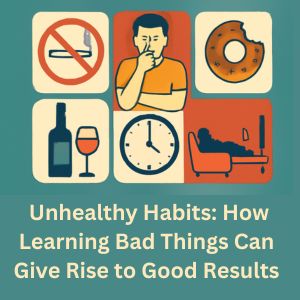
We’re taught early on that unhealthy habits are bad—full stop. Smoking, procrastination, staying up too late, emotional eating, binge-watching, nail-biting—the list is endless. We associate these with failure, weakness, and self-sabotage. But here’s a harder truth: some of the best lessons, strongest changes, and most useful self-awareness come not from avoiding bad behavior, but from going through it.
It sounds contradictory. Why would something labeled as “unhealthy” ever yield a benefit? The answer is rooted in how humans learn—not just through rules or theory, but through friction, experience, and the consequences of their choices.
The Value of Firsthand Mistakes
People don’t truly internalize the weight of a bad habit until they experience its impact. A teenager might hear warnings about the dangers of smoking, but until they feel breathless running up stairs, or struggle to quit after it becomes a dependence, those warnings remain abstract.
Making the mistake yourself forces a confrontation. It’s no longer hypothetical. The regret becomes a reference point. And that firsthand pain? It often becomes the push people need to grow. Pain is a brutal but effective teacher.
Adaptation: Survival through Discomfort
The body and mind adapt. An unhealthy habit can trigger discomfort—and discomfort sparks growth. Take burnout, for instance. Overworking is widely acknowledged as harmful. But people who go through burnout often come out the other side with stronger boundaries, clearer priorities, and a fierce commitment to balance. The crash is the catalyst.
Similarly, emotional eating may cause shame or health issues, but it can also help someone trace the roots of deeper emotional wounds. It brings buried feelings to the surface. The food isn’t the enemy—it’s the signal. And learning to read that signal often leads to better coping mechanisms than the person ever had before.
Creativity from Chaos
Some “bad” habits have built-in creative upsides. Procrastination is one. While chronic avoidance hurts productivity, many creatives find that delaying a task—letting it simmer in the background—actually leads to sharper insights and better work. It’s a form of subconscious processing.
Even insomnia, while unhealthy, has birthed poetry, music, inventions, and art. People who can’t sleep often think more deeply, journal more honestly, and generate ideas that wouldn’t surface in the daylight. That doesn’t make insomnia good. But it does mean that something meaningful can grow in the dark.
Building Self-Awareness
Unhealthy habits are often symptoms, not causes. They’re how the body copes with stress, unmet needs, or lack of direction. Watching yourself fall into a negative pattern can reveal what’s missing. It brings hidden vulnerabilities to light.
That’s how self-awareness grows. You start asking: Why do I do this? What am I avoiding? What does this give me that I’m not getting in a healthier way? Those questions mark the start of growth. And often, people wouldn’t ask them without first getting stuck.
From Chaos to Control
People who recover from addictions—whether to alcohol, substances, porn, gambling, or even screens—often come out stronger than those who never struggled. They’ve wrestled with their demons. They’ve rebuilt their habits brick by brick. They know the danger zones. They become experts in self-control and resilience.
In contrast, people who’ve never fallen may lack the same depth of understanding. Struggle creates discipline. And discipline, once earned, is portable—it strengthens other areas of life too.
Empathy Grows from Failure
Unhealthy habits also build empathy. Someone who’s never had a mental breakdown, never binged on junk food at 2am, or never lied to themselves about “just one more episode” might judge others more easily.
But when you’ve been in the pit, you understand. You’re slower to judge. Faster to help. And more likely to offer compassion—because you’ve needed it yourself.
Empathy isn’t soft. It’s one of the strongest human traits. It builds trust, mends relationships, and creates better leaders. And often, it’s forged through struggle.
Controlled Risk vs. Naive Innocence
There’s a difference between romanticizing bad habits and recognizing their learning value. The point isn’t to encourage people to smoke or binge or self-sabotage on purpose. It’s about acknowledging that when people do go down those roads—which they inevitably will—it’s not always a dead end. It can be a fork.
The person who touches fire learns to respect heat. The person who fails learns humility. The person who gets it wrong builds the blueprint for getting it right.
In other words, you can’t bubble-wrap growth. Shelter someone from every unhealthy urge, and they don’t become strong—they stay naive. Life is risk. The question isn’t how to avoid all failure; it’s how to learn fast and rise stronger.
Unhealthy ≠ Useless
To be clear: not all unhealthy habits are safe. Some can destroy lives, families, health, or opportunities. The goal isn’t to minimize harm, but to contextualize it. A person’s worst decision doesn’t define them—but it can be the starting point for their best evolution.
This doesn’t just apply on a personal level. Many systems and innovations were born from trial, error, and mistakes. Aviation safety grew because of crashes. Medical breakthroughs came after wrong turns. Society improves when it learns from its worst behaviors—not when it denies them.
The Turning Point
The shift happens when awareness kicks in. When the smoker finally says, “I can’t keep doing this.” When the binge-watcher says, “I’m numbing myself.” When the overworker says, “I don’t even know who I am anymore.”
At that point, the unhealthy habit becomes more than a problem. It becomes data. And that data, once processed honestly, is fuel for change.
Conclusion: The Hidden Curriculum of Struggle
Unhealthy habits teach what lectures can’t. They’re part of the messy, nonlinear path to self-mastery. No one becomes disciplined, wise, or resilient without falling short first. That’s just how humans are wired—we learn by doing, by failing, and by reflecting.
The key isn’t to glamorize unhealthy behavior, but to stop pretending it has no value. The habit may be bad—but the insight it leads to can be game-changing.
So if you’ve got unhealthy habits, here’s the truth: they’re not the end of your story. They might just be the chapter before everything changes.
10 groups of unhealthy habits, each with 5 specific examples:
10 groups × 5 habits each = 50 habits, spanning personal, social, mental, financial, spiritual, and environmental domains.
1. Physical Health-Related Habits
These directly harm your body over time.
1. Skipping meals – disrupts metabolism and energy balance.
2. Lack of sleep – weakens immunity, focus, and mental health.
3. Overeating junk food – leads to obesity, diabetes, and other conditions.
4. Avoiding physical activity – increases risk of heart disease and poor mobility.
5. Substance abuse (smoking, alcohol, drugs) – deteriorates organs and shortens lifespan.
2. Mental & Emotional Health Habits
These wear down your psychological well-being.
1. Overthinking everything – leads to paralysis and anxiety.
2. Bottling up emotions – causes emotional outbursts or long-term depression.
3. Negative self-talk – destroys confidence and motivation.
4. Chronic complaining – traps you in victimhood instead of seeking solutions.
5. Avoiding discomfort – limits personal growth and resilience.
3. Productivity & Work Habits
These derail your efficiency and long-term progress.
1. Procrastination – delays goals and adds last-minute stress.
2. Multitasking constantly – reduces focus and increases errors.
3. Perfectionism – wastes time and prevents completion.
4. Not setting priorities – leads to burnout and shallow work.
5. Saying “yes” to everything – kills deep work and drains energy.
4. Relationship & Social Habits
These sabotage your connection with others.
1. Interrupting or not listening – shows disrespect and weakens trust.
2. Passive-aggressive behavior – confuses others and stirs conflict.
3. Clinginess or excessive dependence – creates imbalance and resentment.
4. Avoiding confrontation – allows small issues to grow big.
5. Comparing constantly – breeds jealousy and insecurity.
5. Digital & Lifestyle Habits
These eat into your time, attention, and peace of mind.
1. Mindless scrolling/social media addiction – wastes hours and dulls focus.
2. Checking your phone first/last thing every day – increases anxiety and lowers sleep quality.
3. Digital hoarding (too many tabs, apps, subscriptions) – causes clutter and distraction.
4. Binge-watching – kills productivity and sleep.
5. Living without breaks or downtime – accelerates burnout.
6. Financial Habits
Unhealthy money behaviors that lead to stress or instability.
1. Impulse spending – buying without thinking about long-term impact.
2. Ignoring budgeting – losing track of income vs. expenses.
3. Living on credit/debt dependency – paying for today with tomorrow’s money.
4. Not saving/investing – failing to prepare for emergencies or future goals.
5. Chasing “get rich quick” schemes – risking everything on false promises.
7. Time Management Habits
Poor handling of time that creates chaos or lost opportunity.
1. Starting tasks without planning – leads to wasted effort or dead ends.
2. Underestimating how long things take – creates backlog and stress.
3. Jumping between tasks – disrupts flow and reduces output.
4. Always being “busy” but not effective – confusing motion with progress.
5. Ignoring deadlines until the last minute – lowers quality and builds anxiety.
8. Learning & Thinking Habits
Mental blocks or poor learning practices that stunt growth.
1. Only consuming, never applying – knowledge without action.
2. Relying on one source of truth – leads to bias and intellectual laziness.
3. Fearing failure so much you don’t try – kills innovation and courage.
4. Always needing validation before acting – limits independence.
5. Avoiding hard or unfamiliar topics – leaves knowledge gaps.
9. Environmental & Organizational Habits
Habits that create clutter, inefficiency, or sensory stress.
1. Living/working in a messy space – drains mental energy.
2. Hoarding unnecessary items – creates chaos and indecision.
3. Ignoring maintenance (home, tools, tech) – leads to costly breakdowns.
4. Not having a designated workspace – blurs focus and rest.
5. Letting notifications rule your day – disrupts concentration constantly.
10. Spiritual or Ethical Habits
Behaviors that disconnect you from purpose, values, or conscience.
1. Being dishonest (even “small” lies) – erodes self-trust and integrity.
2. Living without reflection or introspection – keeps you reactive instead of intentional.
3. Judging others harshly – reflects internal discontent.
4. Chasing status over meaning – leaves you empty despite success.
5. Neglecting gratitude – leads to chronic dissatisfaction.
অস্বাস্থ্যকর অভ্যাস: কীভাবে খারাপ কিছু শেখাও ভালো ফল দিতে পারে
আমাদের ছোটবেলা থেকেই শেখানো হয়—অস্বাস্থ্যকর অভ্যাস মানেই খারাপ। যেমন: ধূমপান, বারবার কাজ ফেলে রাখা, রাতে দেরি করে ঘুমানো, আবেগে খাবার খাওয়া, ঘণ্টার পর ঘণ্টা সিরিজ দেখা, বা নখ কামড়ে ফেলা—এই সবকিছুই ব্যর্থতা, দুর্বলতা, আর আত্ম-ধ্বংসের সাথে জড়িত বলে ধরা হয়।
কিন্তু বাস্তবতা আরও জটিল। অনেক সময় জীবনের সবচেয়ে বড় শিক্ষা, দৃঢ় পরিবর্তন এবং গভীর আত্মজ্ঞান আসে না খারাপ কিছু এড়িয়ে গিয়ে, বরং সেটার ভেতর দিয়ে যাওয়ার মাধ্যমেই।
শোনার মতো লাগতে পারে যেন বিপরীত কিছু বলা হচ্ছে। “অস্বাস্থ্যকর” বিষয় কীভাবে ভালো কিছু তৈরি করতে পারে? এর উত্তর লুকিয়ে আছে শেখার প্রকৃত প্রক্রিয়ায়—মানুষ কেবল নিয়ম বা তত্ত্ব থেকে শেখে না, শেখে সংঘর্ষ থেকে, অভিজ্ঞতা থেকে, নিজের সিদ্ধান্তের ফল ভোগ করে।
নিজের ভুল থেকে শেখার গুরুত্ব
কেউ সত্যিকার অর্থে কোনো খারাপ অভ্যাসের ক্ষতি বুঝতে পারে না, যতক্ষণ না সে সেটা নিজে অনুভব করে। একজন কিশোর হয়তো শতবার শুনেছে ধূমপান ক্ষতিকর, কিন্তু যতক্ষণ না সে সিঁড়ি ভেঙে উঠতে উঠে হাঁপিয়ে পড়ে বা নেশার জালে আটকে যায়, সে কথাগুলো তেমন গুরুত্ব পায় না।
নিজেই ভুল করলে, সেটার সঙ্গে সরাসরি মোকাবিলা করতে হয়। সেটা তখন আর তত্ত্ব থাকে না, হয়ে ওঠে বাস্তব। অনুশোচনাই হয়ে যায় শিক্ষার ভিত্তি। এবং সেই প্রথমিক ব্যথাই—অনেক সময়—মানুষকে বদলানোর জোরদার ধাক্কা দেয়। ব্যথা, যতটা নির্মম, ততটাই কার্যকর শিক্ষক।
অস্বস্তির ভেতর দিয়েই অভিযোজন
দেহ আর মন—দুটোই অসুবিধার মধ্যে নিজেকে খাপ খাওয়ায়। কোনো অস্বাস্থ্যকর অভ্যাস অস্বস্তি তৈরি করে, আর সেই অস্বস্তিই নতুন অভ্যাসের জন্ম দিতে পারে। যেমন ধরুন, ওয়ার্ক বার্নআউট। অতিরিক্ত কাজ করা খারাপ, এটা সবাই জানে। কিন্তু যারা সত্যিই একবার বার্নআউটের ভেতর দিয়ে গেছে, তারা পরবর্তীতে সাধারণত আরও দৃঢ় সীমারেখা টানে, কাজের অগ্রাধিকার ঠিক করে, আর ভারসাম্য রক্ষায় সচেতন হয়। ভাঙা-গড়াই এখানে রূপান্তরের বীজ।
আবার, আবেগে খাবার খাওয়াও শরীর বা মনকে ক্ষতি করতে পারে। তবে এটা কারও ভেতরের না বলা কষ্টকে তুলে আনতেও পারে। সেই খাবার নিজে সমস্যা নয়, বরং সমস্যার সংকেত। আর যখন কেউ সেই সংকেত পড়তে শেখে, তখন সে আগের চেয়ে ভালো উপায়ে সামলাতে শেখে।
বিশৃঙ্খলা থেকে সৃজনশীলতা
কিছু “খারাপ” অভ্যাসের মাঝেই লুকিয়ে থাকে সৃজনশীল সম্ভাবনা। যেমন: প্রোক্র্যাস্টিনেশন বা কাজ ফেলে রাখা। এটা কাজের ক্ষতি করে ঠিকই, তবে অনেক সৃষ্টিশীল মানুষ দেখেছেন, যখন তারা কোনো কাজ একটু পিছিয়ে রাখে, তখন সেটা মাথায় ‘সেদ্ধ’ হয়। পরে কাজটা আরও তীক্ষ্ণ বা পরিণতভাবে আসে।
আবার অনিদ্রা, যদিও স্বাস্থ্যহানিকর, কিন্তু অনেক কবিতা, গান, শিল্প কিংবা আবিষ্কারের পেছনে থেকেছে ঘুমহীন রাত। যারা ঘুমাতে পারে না, তারা অনেক সময় গভীর চিন্তায় ডুবে যায়, ডায়েরি লেখে, নতুন কিছু ভাবতে পারে যা দিনের আলোয় আসত না। অনিদ্রা ভালো না, তবে তবু কখনো কখনো অন্ধকারেও কিছু দ্যুতি জন্মায়।
আত্মজ্ঞান তৈরির পথ
অনেক সময় অস্বাস্থ্যকর অভ্যাস মূল কারণ নয়, বরং উপসর্গ। এগুলো হয় দেহ-মনের চাপ, অপূর্ণতা, বা লক্ষ্যহীনতার প্রতিক্রিয়া। যখন কেউ দেখে যে সে নিজেই নেতিবাচক প্যাটার্নে ঢুকে যাচ্ছে, তখন সে উপলব্ধি করতে পারে কী অভাব রয়ে গেছে। অজানা দুর্বলতা সামনে চলে আসে।
তখন প্রশ্ন আসে—“আমি এটা কেন করছি? আমি কী এড়িয়ে যাচ্ছি? এর মাধ্যমে আমি কী পাচ্ছি, যেটা অন্যভাবে পাই না?” এই প্রশ্নগুলোই ব্যক্তিগত উন্নয়নের সূচনা। আর এসব প্রশ্ন মানুষ সাধারণত জিজ্ঞেস করে তখনই, যখন সে কোথাও আটকে গেছে।
বিশৃঙ্খলা থেকে নিয়ন্ত্রণে ফেরা
যারা আসক্তি থেকে ফিরে আসেন—হোক সেটা অ্যালকোহল, নেশা, পর্নোগ্রাফি, জুয়া বা পর্দার প্রতি আসক্তি—তারা অনেক সময় সেই অভ্যাসে না পড়া মানুষদের চেয়ে বেশি আত্ম-নিয়ন্ত্রণশীল হয়ে ওঠে। তারা ভেতরের দানবের সঙ্গে লড়েছে। অভ্যাসগুলো আবার গড়ে তুলেছে ধাপে ধাপে। তারা জানে কোথায় ফাঁদ। তারা শেখে কিভাবে নিয়ন্ত্রণ করতে হয়, কিভাবে টিকে থাকতে হয়।
যারা কখনোই পড়ে যায়নি, তাদের মাঝে এমন গভীর উপলব্ধি নাও থাকতে পারে। সংগ্রাম থেকেই জন্ম নেয় শৃঙ্খলা। আর একবার শিখে গেলে, সেই শৃঙ্খলা জীবনের অন্যান্য দিকেও কাজে লাগে।
ব্যর্থতা থেকেই জন্ম নেয় সহানুভূতি
অস্বাস্থ্যকর অভ্যাসের আরেকটা ফল হলো সহানুভূতির জন্ম। যে কখনো রাত ২টায় নিজেকে আবেগে ভরে চিপস খেতে দেখেনি, বা একটানা ৬ ঘণ্টা সিরিজ দেখে সময় নষ্ট করেনি, তারা অন্যদের উপর সহজেই রাগ করতে পারে।
কিন্তু আপনি যদি একবার সেই গর্তে পড়ে থাকেন, আপনি বুঝবেন। আপনি সহজে বিচার করবেন না। বরং সাহায্যের হাত বাড়াবেন। কারণ আপনি নিজেও সেই সাহায্য চেয়েছিলেন।
সহানুভূতি দুর্বলতা নয়। এটা এক অসাধারণ শক্তি। সম্পর্ক জোড়া লাগায়, নেতৃত্বে সহায়ক হয়। আর এটা প্রায়শই জন্ম নেয় লড়াইয়ের ভেতর থেকে।
সুরক্ষিত নিষ্পাপতা বনাম সচেতন ঝুঁকি
খারাপ অভ্যাসের প্রশংসা করা আর তার শেখার মূল্য বোঝা—এই দুটো এক নয়। আমরা কাউকে ধূমপান করতে বা নিজেকে নষ্ট করতে উৎসাহ দিচ্ছি না। তবে যখন কেউ ভুল পথে হাঁটে—যা হতেই পারে—তখন সেটা সবসময় শেষ নয়। মাঝে মাঝে ওটাই মোড় পরিবর্তনের জায়গা।
যে আগুনে হাত দেয়, সে তাপ বুঝতে শেখে। যে হারে, সে বিনয় শেখে। যে ভুল করে, সে বুঝে কীভাবে ঠিক করতে হয়।
অতএব, কাউকে যদি জীবনের সব ঝুঁকি থেকে রক্ষা করেন, সে হয়ত নিরাপদ থাকবে, কিন্তু শক্তিশালী হয়ে উঠবে না। জীবন ঝুঁকির নাম। প্রশ্ন হলো—তুমি কীভাবে দ্রুত শিখে, আরও সচেতনভাবে সামনে এগোবে?
অস্বাস্থ্যকর ≠ অকেজো
পরিষ্কার করে বললে—সব অস্বাস্থ্যকর অভ্যাসই নিরাপদ নয়। কিছু অভ্যাস জীবন, সম্পর্ক, স্বাস্থ্য বা সুযোগ ধ্বংস করে দিতে পারে। কিন্তু লক্ষ্য হওয়া উচিত এগুলোর ক্ষতি অস্বীকার না করে, বরং প্রেক্ষাপট বুঝে এগোনো। একজন মানুষের সবচেয়ে খারাপ সিদ্ধান্তটাই হতে পারে তার সেরা পরিবর্তনের সূচনা।
এটা শুধু ব্যক্তি পর্যায়েই নয়, সমাজের ক্ষেত্রেও সত্য। অনেক বড় আবিষ্কার, উন্নয়ন বা নিরাপত্তা ব্যবস্থা এসেছে বারবার ভুল করে। বিমান চলাচলের নিরাপত্তা বেড়েছে দুর্ঘটনার মাধ্যমে। চিকিৎসা বিজ্ঞান এগিয়েছে ভুলের পর। সমাজ শুধরে উঠেছে তারই ভুল দেখে, ভুল অস্বীকার করে নয়।
বদলের মোড়
পরিবর্তন আসে তখনই, যখন সচেতনতা জাগে। যখন ধূমপায়ী নিজে বলে—“আর না।” যখন সিরিজ-আসক্ত বলে—“আমি নিজেকে ভুলে যাচ্ছি।” যখন কর্মব্যস্ত মানুষ বলে—“আমি কে, সেটা তো বুঝতেই পারছি না।”
তখন সেই অস্বাস্থ্যকর অভ্যাস আর কেবল সমস্যা নয়, হয়ে যায় ডেটা। আর এই তথ্য, যদি সততার সঙ্গে বিশ্লেষণ করা যায়, সেটাই হয় বদলের ইন্ধন।
উপসংহার: সংগ্রামের গোপন পাঠ
অস্বাস্থ্যকর অভ্যাস এমন কিছু শেখায়, যা ক্লাসরুম বা বক্তৃতা শেখাতে পারে না। এগুলো আমাদের বিক্ষিপ্ত, জটিল, অপ্রত্যক্ষ কিন্তু বাস্তব শেখার পথের অংশ। কেউই শৃঙ্খলাবান, প্রজ্ঞাবান বা দৃঢ় হয়ে ওঠে না, যদি সে আগে কিছুটা না ভেঙে পড়ে।
মানুষ শেখে কাজ করে, ভুল করে, আর নিজেকে দেখে। তাই খারাপ অভ্যাসকে গ্ল্যামারাইজ না করে, বরং এটাকে অস্বীকার না করে বোঝা দরকার—এই অভ্যাস হয়তো খারাপ, কিন্তু এর ভেতরে লুকিয়ে থাকা শিক্ষা হতে পারে জীবন বদলে দেওয়ার মতো।
তাই যদি তোমার মধ্যেও কিছু অস্বাস্থ্যকর অভ্যাস থাকে, জেনে রাখো—এটাই তোমার গল্পের শেষ নয়। এটা হয়তো কেবল সেই অধ্যায়, যেখান থেকে সবকিছু বদলে যেতে শুরু করবে।
RRR #9 — অস্বাস্থ্যকর অভ্যাস: ১০টি দলে বিভক্ত ৫০টি ভুল আচরণ
আমরা সবাই জানি, অস্বাস্থ্যকর অভ্যাস আমাদের জীবনের নানা দিককে প্রভাবিত করে—শরীর, মন, সম্পর্ক, সময়, অর্থ, এমনকি চিন্তাভাবনাও। কিন্তু এগুলোকে যদি শ্রেণিবদ্ধভাবে দেখা যায়, তাহলে আমরা আরও পরিষ্কারভাবে বুঝতে পারি কোন জায়গাগুলোতে আমাদের সবচেয়ে বেশি সচেতন হওয়া প্রয়োজন। নিচে ১০টি আলাদা বিভাগে ৫০টি অস্বাস্থ্যকর অভ্যাস তুলে ধরা হলো।
১. শারীরিক স্বাস্থ্য সংক্রান্ত অভ্যাস
১) খাবার না খাওয়া বা দীর্ঘসময় উপবাসে থাকা
২) পর্যাপ্ত ঘুম না নেওয়া
৩) অতিরিক্ত ফাস্ট ফুড খাওয়া
৪) দৈহিক ব্যায়ামের অভাব
৫) ধূমপান, মদ্যপান বা নেশাগ্রস্ততা
২. মানসিক ও আবেগজনিত অভ্যাস
৬) অতিরিক্ত চিন্তা করা (ওভারথিংকিং)
৭) আবেগ চেপে রাখা
৮) নিজের প্রতি নেতিবাচক কথা বলা
৯) বারবার অভিযোগ করা
১০) অস্বস্তিকর বিষয় এড়িয়ে যাওয়া
৩. উৎপাদনশীলতা ও কাজের অভ্যাস
১১) কাজ বারবার ফেলে রাখা (প্রোক্র্যাস্টিনেশন)
১২) একসাথে অনেক কাজ করার চেষ্টা করা
১৩) অতিরিক্ত নিখুঁত হতে চাওয়া
১৪) অগ্রাধিকার না ঠিক করে কাজ করা
১৫) সবকিছুতে হ্যাঁ বলে ফেলা
৪. সম্পর্ক সংক্রান্ত অভ্যাস
১৬) কথার মাঝখানে বাধা দেওয়া বা না শোনা
১৭) প্যাসিভ-অ্যাগ্রেসিভ ব্যবহার
১৮) অতিরিক্ত নির্ভরতা বা জড়িয়ে পড়া
১৯) খোলাখুলি কথা না বলে সমস্যা চেপে রাখা
২০) অন্যের সঙ্গে নিজেকে তুলনা করা
৫. ডিজিটাল ও জীবনযাপন সংক্রান্ত অভ্যাস
২১) অকারণে ঘন্টার পর ঘন্টা ফোন স্ক্রল করা
২২) ঘুমের আগে বা পরে সঙ্গে সঙ্গে ফোন দেখা
২৩) ডিজিটাল জিনিস জমিয়ে রাখা (অ্যাপ, ট্যাব, সাবস্ক্রিপশন)
২৪) একটানা সিরিজ/ভিডিও দেখা
২৫) বিশ্রাম বা বিরতি না নেওয়া
৬. আর্থিক অভ্যাস
২৬) না ভেবেই টাকা খরচ করে ফেলা
২৭) বাজেট না করে চলা
২৮) ঋণের ওপর জীবন গড়ে তোলা
২৯) সঞ্চয় বা বিনিয়োগ না করা
৩০) দ্রুত ধনী হওয়ার স্কিমে লাফিয়ে পড়া
৭. সময় ব্যবস্থাপনার অভ্যাস
৩১) পরিকল্পনা ছাড়া কাজ শুরু করা
৩২) সময় কম ধরে নেওয়া এবং পিছিয়ে পড়া
৩৩) কাজের মাঝে বারবার লাফানো
৩৪) সবসময় ব্যস্ত থাকা, কিন্তু কাজের অগ্রগতি না হওয়া
৩৫) শেষ মুহূর্তে কাজ শেষ করার চেষ্টা করা
৮. শেখা ও চিন্তা করার অভ্যাস
৩৬) শুধু পড়া, কিন্তু প্রয়োগ না করা
৩৭) একটাই সূত্র বা মতকে ধরে রাখা
৩৮) ব্যর্থতার ভয়ে শুরু না করা
৩৯) সবসময় অনুমোদনের অপেক্ষায় থাকা
৪০) কঠিন বা অপরিচিত বিষয়ের এড়িয়ে চলা
৯. পরিবেশ ও সংগঠনের অভ্যাস
৪১) অগোছালো পরিবেশে কাজ বা বসবাস করা
৪২) অপ্রয়োজনীয় জিনিস জমিয়ে রাখা
৪৩) প্রয়োজনীয় মেরামত বা রক্ষণাবেক্ষণ এড়িয়ে যাওয়া
৪৪) নির্দিষ্ট কাজের জায়গা না রাখা
৪৫) বারবার নোটিফিকেশন চেক করা
১০. নৈতিক ও আত্মিক অভ্যাস
৪৬) ছোট খাটো মিথ্যাও বলা
৪৭) নিজের জীবন নিয়ে গভীরভাবে না ভাবা
৪৮) অন্যদের সহজেই বিচার করে ফেলা
৪৯) অর্থ বা অবস্থানকে জীবনের লক্ষ্য বানানো
৫০) কৃতজ্ঞতা প্রকাশ না করা
এই ৫০টি অভ্যাস আমাদের দৈনন্দিন জীবনের নানা দিককে ক্ষতিগ্রস্ত করে, কিন্তু সচেতনতা ও প্রতিকারমূলক পদক্ষেপের মাধ্যমে এগুলোর প্রভাব কমানো সম্ভব। অস্বাস্থ্যকর অভ্যাস শনাক্ত করাটাই হলো পরিবর্তনের প্রথম ধাপ। এটি কেবল আত্ম-উন্নয়নের বিষয় নয়, এটি একটি বুদ্ধিমান ও সচেতন জীবনের ভিত্তি।