A Life-Centered Way to Stay Grounded, Peaceful, and Purposeful
Life is lived in three invisible spaces:
what has already happened,
what is happening now,
and what may happen next.
Most human suffering does not come from life itself—but from mismanaging these three timelines.
We either:
- live too long in the past,
- rush too anxiously into the future,
- or forget to fully inhabit the present.
A meaningful life begins when we learn how to treat each of them properly—with wisdom, not emotion alone.
1. How to Treat the Past: As a Teacher, Not a Prison
The past is powerful.
It carries memories, mistakes, achievements, losses, relationships, and turning points.
But the past has only one rightful role in our life: to teach.
What the Past Is Meant For
- Learning lessons
- Understanding patterns
- Gaining maturity
- Building perspective
- Developing gratitude
What the Past Is Not Meant For
- Permanent guilt
- Continuous regret
- Self-punishment
- Identity fixation
- Living in “what ifs”
When we visit the past too often, it becomes a prison.
When we ignore it completely, we repeat it.
The Right Way to Hold the Past
- Keep the lesson, release the pain
- Keep the gratitude, release the bitterness
- Keep the wisdom, release the blame (especially self-blame)
The past should inform you, not define you.
A healthy relationship with the past sounds like this:
“Yes, that happened. I learned. I grew. I moved forward.”
2. How to Treat the Present: As the Only Place Where Life Actually Happens
The present moment is often underestimated because it feels ordinary.
But this is the truth:
The present is the only place where change is possible.
- You cannot act in the past
- You cannot act in the future
- You can only act now
Why People Miss the Present
- They replay old conversations
- They worry about future outcomes
- They live mentally elsewhere
As a result, life keeps passing while attention keeps drifting.
The Right Way to Treat the Present
- With presence, not pressure
- With attention, not anxiety
- With participation, not perfection
The present does not demand grand achievements.
It asks only for honest engagement.
- One meaningful action
- One thoughtful conversation
- One mindful decision
- One small act of care
The present is not a bridge to the future.
It is life itself.
When you respect the present, even ordinary days become meaningful.
3. How to Treat the Future: As a Direction, Not a Destination
The future excites and frightens us at the same time.
We plan for it.
We fear it.
We imagine it.
We postpone happiness because of it.
But the future is not something we arrive at.
It is something we prepare for—quietly, daily, imperfectly.
What the Future Is For
- Vision
- Direction
- Motivation
- Preparation
- Hope
What the Future Is Not For
- Constant worry
- Fear-based decisions
- Comparison
- Delayed living
- Unrealistic expectations
The future becomes dangerous when it steals peace from the present.
The Right Way to Hold the Future
- Plan gently
- Prepare steadily
- Hope realistically
- Stay flexible
A good future is built by calm presents, not anxious ones.
Treat the future as a compass, not a burden.
4. The Balance Most People Miss
Here is a simple but powerful balance:
- Past → for learning
- Present → for living
- Future → for guiding
Problems arise when:
- We live in the past
- Escape the present
- Obsess over the future
Wisdom is knowing where each belongs.
5. A Simple Daily Practice (Very Practical)
At the end of each day, quietly ask yourself three questions:
- Past:
What did today teach me? - Present:
Where was I fully present today? - Future:
What small step did I take toward tomorrow?
That’s it.
No journaling pressure. No analysis overload.
Just alignment.
6. A Life Truth Worth Remembering
You don’t need to control time.
You only need to relate to it wisely.
- Make peace with your past
- Show up for your present
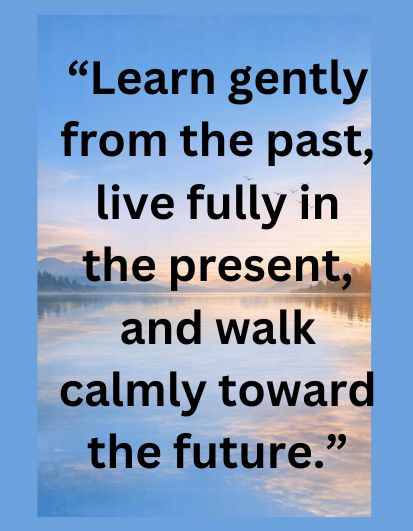
- Walk calmly toward your future
A well-lived life is not one that avoided mistakes,
but one that learned, lived, and looked ahead—without fear.
Closing Reflection
We don’t know where we will be next year.
We don’t know what life will bring.
But if we treat the past gently, the present sincerely, and the future wisely, we will always be living well—wherever we are.
And that, in the end, is enough.
7 Life Lessons on Treating the Past, Present, and Future
1. Learn from the Past, Don’t Live in It
The past exists to teach, not to trap.
Carry forward the lessons, skills, and wisdom—but leave behind guilt, regret, and self-blame.
What has happened shaped you, but it does not own you.
The past should inform your life, not imprison it.
2. Make Peace with What Cannot Be Changed
Some chapters will never get closure the way you hoped.
Peace begins when you stop demanding different endings from finished stories.
Acceptance is not weakness—it is maturity.
3. Treat the Present as the Only Place You Can Act
Life does not happen yesterday or tomorrow.
Every meaningful change—healing, growth, connection—happens only now.
Give the present your attention, not your pressure.
The present is not preparation for life. It is life.
4. Don’t Wait for Perfect Moments to Live Fully
Ordinary days carry quiet opportunities for meaning.
Waiting for “the right time” often means missing the real one.
Presence matters more than perfection.
5. Use the Future as a Direction, Not a Burden
The future should guide you, not scare you.
Plan calmly, hope realistically, and stay flexible.
Anxiety about tomorrow steals peace from today.
A good future is built by calm presents, not anxious ones.
6. Balance Time Wisely
When time is misused, life feels heavy.
- Too much past → regret
- Too much future → anxiety
- Too little present → emptiness
Wisdom lies in keeping each in its rightful place.
7. Live So That Any Year-End Feels Meaningful
We don’t know where we will be next year.
What we can control is whether we live with awareness, gratitude, and intention now.
If you can share one moment of joy, honesty, or kindness, the year was worth it.
A meaningful life is not about certainty—it is about presence.
Closing Thought
When you respect the past, inhabit the present, and approach the future gently,
life feels lighter—wherever you are, whenever you are.
অতীত, বর্তমান ও ভবিষ্যৎ—জীবনকে কীভাবে সঠিকভাবে গ্রহণ করব
মানুষের জীবন আসলে তিনটি অদৃশ্য সময়ের মধ্যে প্রবাহিত হয়—
যা ঘটে গেছে (অতীত),
যা এখন ঘটছে (বর্তমান),
আর যা ঘটতে পারে (ভবিষ্যৎ)।
জীবনের অনেক কষ্ট আসে বাস্তব পরিস্থিতি থেকে নয়,
বরং এই তিন সময়কে আমরা কীভাবে ব্যবহার করি বা ভুলভাবে ব্যবহার করি, সেখান থেকে।
কেউ অতীতে আটকে থাকে,
কেউ ভবিষ্যৎ নিয়ে অতিরিক্ত দুশ্চিন্তায় ভোগে,
আবার কেউ বর্তমানকে ঠিকভাবে বাঁচতেই শেখে না।
একটি সুস্থ, অর্থবহ জীবন শুরু হয় তখনই,
যখন আমরা বুঝে নিই—
অতীত, বর্তমান ও ভবিষ্যৎ—তিনটির ভূমিকা আলাদা।
১. অতীতকে দেখুন শিক্ষক হিসেবে, কারাগার হিসেবে নয়
অতীত আমাদের জীবনের গল্প বহন করে—
সাফল্য, ব্যর্থতা, ভুল, সম্পর্ক, হারানো মানুষ, পাওয়া শিক্ষা।
কিন্তু অতীতের কাজ একটাই—
আমাদের শেখানো।
অতীত কখনোই নয়—
- নিজেকে সারাজীবন দোষী ভাবার জায়গা
- অনুশোচনায় আটকে থাকার কারণ
- “যদি এমন হতো” ভাবনায় ডুবে থাকার আশ্রয়
অতীত থেকে শিক্ষা নিন,
কিন্তু কষ্ট বয়ে বেড়াবেন না।
অতীতকে সম্মান করুন, কিন্তু তাকে বর্তমান নিয়ন্ত্রণ করতে দেবেন না।
২. যা বদলানো যাবে না, তার সঙ্গে শান্তি স্থাপন করুন
জীবনে অনেক অধ্যায় এমন থাকে,
যার সমাপ্তি আমাদের ইচ্ছেমতো হয়নি।
বারবার সেই জায়গায় ফিরে যাওয়া মানে—
নিজেকে বারবার আঘাত করা।
মেনে নেওয়া মানে হার মানা নয়।
মেনে নেওয়া মানে পরিণত হওয়া।
৩. বর্তমানকে জীবনের একমাত্র কার্যক্ষেত্র হিসেবে দেখুন
আমরা কাজ করতে পারি শুধু এখন।
- অতীতে নয়
- ভবিষ্যতে নয়
পরিবর্তন, সিদ্ধান্ত, ভালোবাসা, ক্ষমা—
সবকিছু ঘটে বর্তমানে।
কিন্তু আমরা প্রায়ই বর্তমানকে হারিয়ে ফেলি—
- পুরোনো কথোপকথন মনে করে
- ভবিষ্যৎ নিয়ে চিন্তা করে
বর্তমান কোনো প্রস্তুতির জায়গা নয়—এটাই জীবন।
৪. নিখুঁত সময়ের অপেক্ষা করবেন না
অনেকেই ভাবে—
“সব ঠিক হলে শুরু করব।”
কিন্তু জীবন নিখুঁত সময় দেয় না।
জীবন দেয় এই মুহূর্ত।
ছোট কাজ, সাধারণ দিন, নীরব মুহূর্ত—
এসবের মধ্যেই জীবনের আসল সৌন্দর্য লুকিয়ে থাকে।
৫. ভবিষ্যৎকে দিকনির্দেশনা বানান, বোঝা নয়
ভবিষ্যৎ থাকা দরকার—
- আশা দেওয়ার জন্য
- লক্ষ্য দেখানোর জন্য
কিন্তু ভবিষ্যৎ যদি ভয় হয়ে দাঁড়ায়,
তাহলে তা বর্তমানের শান্তি কেড়ে নেয়।
ভবিষ্যতের জন্য পরিকল্পনা করুন,
কিন্তু ভয় নিয়ে নয়।
শান্ত বর্তমান থেকেই ভালো ভবিষ্যৎ গড়ে ওঠে।
৬. সময়কে ভারসাম্যে রাখুন
- অতীতে বেশি থাকলে → অনুশোচনা
- ভবিষ্যতে বেশি থাকলে → উদ্বেগ
- বর্তমানকে উপেক্ষা করলে → শূন্যতা
বুদ্ধিমত্তা হলো—
তিনটিকেই সঠিক জায়গায় রাখা।
৭. এমনভাবে বাঁচুন, যেন যে কোনো বছরের শেষে কৃতজ্ঞ থাকা যায়
আমরা জানি না—
আগামী বছর কোথায় থাকব, কী অবস্থায় থাকব।
কিন্তু যদি আমরা—
- সচেতনভাবে বাঁচি
- ছোট আনন্দ ভাগ করি
- কৃতজ্ঞতা নিয়ে দিন শেষ করি
তাহলে জীবন সার্থক।
নিশ্চিত ভবিষ্যৎ নয়, সচেতন বর্তমানই সুন্দর জীবন গড়ে তোলে।
সমাপ্তি ভাবনা
অতীতকে বোঝা,
বর্তমানকে বাঁচা,
ভবিষ্যৎকে ভরসা করা—
এই তিনটি একসাথে চললে জীবন হালকা হয়।
যেখানেই থাকুন,
যেভাবেই থাকুন—
এই মুহূর্তকে সম্মান করুন।
লেখকের স্বাক্ষর উদ্ধৃতি (Signature Quote)
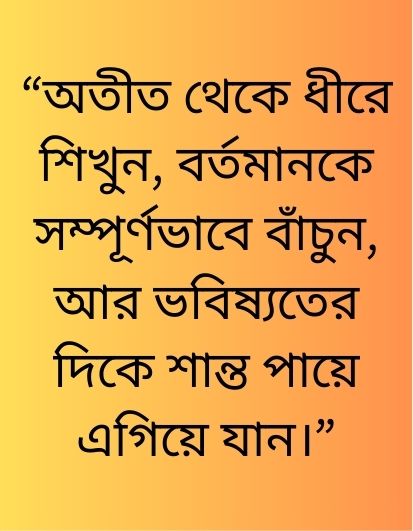
“অতীত থেকে শিখুন, বর্তমানকে সম্পূর্ণভাবে বাঁচুন, আর ভবিষ্যতের দিকে শান্ত পায়ে এগিয়ে যান।”