
In this age of chaos, building strong and meaningful relationships is essential for personal well-being, success, and overall happiness. Whether it’s with friends, family, colleagues, or even strangers, the ability to form and nurture these relationships depends on several key factors, with tolerance being one of the most important. Tolerance, which involves accepting and respecting differences in others, is a cornerstone for creating harmonious connections and strengthening interpersonal bonds.
Relationships are important and essential because they form the foundation of personal growth, well-being and societal harmony.
For Emotional and Mental Well-Being
Support System: Relationships provide emotional support during challenges, offering comfort, understanding, and encouragement.
Stress Reduction: Close relationships help reduce stress and promote resilience by sharing burdens and offering perspective.
Happiness and Fulfillment: Meaningful connections increase happiness and contribute to a sense of belonging and purpose.
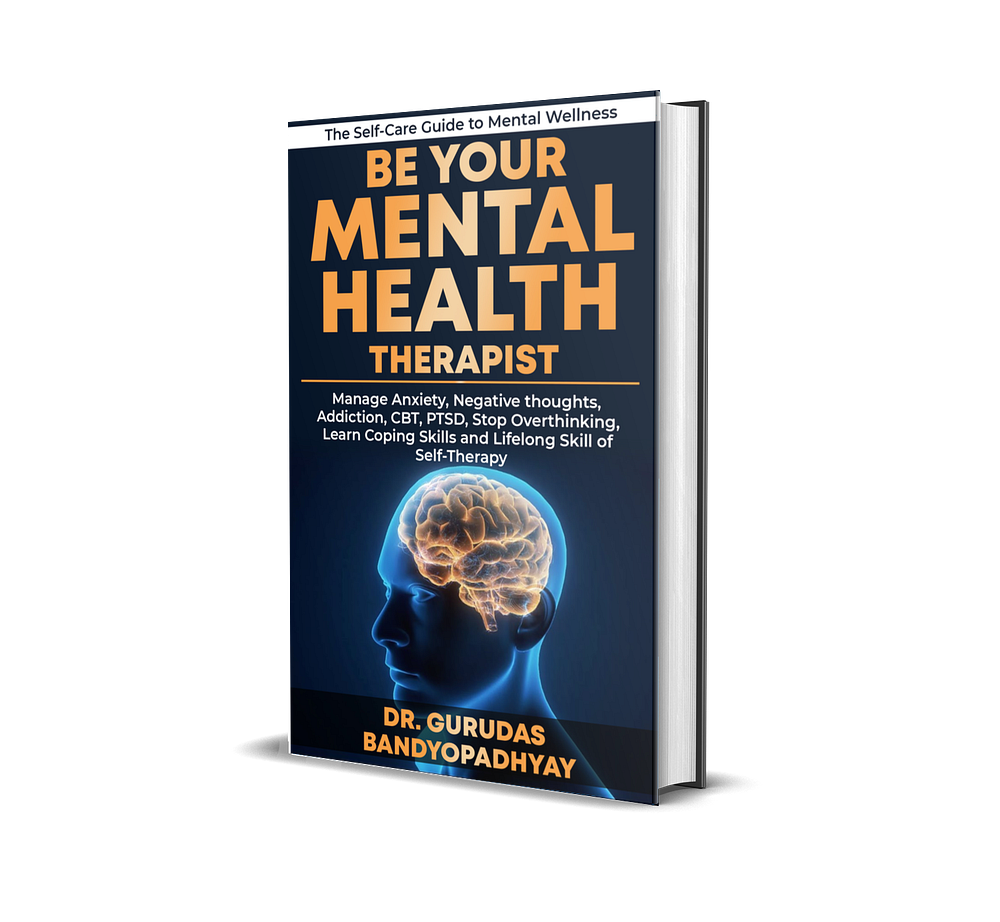
Mental Health: Positive relationships improve mental health, reducing the risk of depression, anxiety, and loneliness. Read my book for details https://relinks.me/B0C4M8GKC4
For Personal Growth and Development
Self-Awareness: Interactions in relationships reveal personal strengths and weaknesses, fostering self-awareness and growth.
Learning Opportunities: Relationships teach important life skills such as communication, empathy, patience, and conflict resolution.
Motivation and Inspiration: Supportive relationships encourage individuals to set goals, take risks, and achieve their full potential.
For Physical Health
Longevity: Studies show that healthy relationships contribute to longer life expectancy by reducing stress and promoting a healthier lifestyle.
Healthy Habits: Loved ones often influence and motivate better health practices, such as exercising and eating well.
Healing and Recovery: Strong relationships enhance recovery during illness or after surgery by providing care and emotional strength.
For Family and Society
Foundation of Families: Relationships build the core of families, shaping children’s upbringing, values, and development.
Community Building: Relationships extend beyond families to create networks, communities, and societies rooted in trust and cooperation.
Conflict Resolution: Healthy relationships promote understanding and collaboration, reducing societal conflicts and fostering peace.

Read my book Click https://relinks.me/B0CRVY18DQ
For Meaning and Purpose
Shared Experiences: Relationships enrich life through shared moments of joy, love, and growth.
Identity and Belonging: They provide a sense of identity and help individuals feel connected to something larger than themselves.
Legacy: Relationships with loved ones leave a lasting legacy of memories, values, and love.
In essence, relationships are not just about connecting with others but are central to living a happy, fulfilling, and meaningful life.
Tolerance is a key factor in building and maintaining strong relationships because it fosters understanding, acceptance, and harmony.
How tolerance strengthens relationships?
Promotes Understanding and Respect
Acceptance of Differences: Tolerance allows people to accept and appreciate each other’s differences in opinions, beliefs, habits, or backgrounds.

Empathy Development: By being tolerant, individuals can put themselves in others’ shoes and understand their perspectives.
Reduction of Judgment: Tolerance minimizes the tendency to judge others harshly, creating a safe and supportive environment for growth.
Encourages Healthy Communication
Open Dialogue: Tolerant individuals are more likely to listen actively and engage in meaningful conversations.
Conflict Resolution: Tolerance helps de-escalate conflicts by encouraging calm and respectful discussions rather than heated arguments.

Bridges Gaps: It creates a space for dialogue, helping people connect despite differences in values or beliefs.
Fosters Emotional Security
Trust Building: When individuals feel accepted for who they are, they develop trust and feel safe in the relationship.

Reduced Fear of Rejection: Tolerance helps individuals feel confident expressing themselves without fear of being judged or misunderstood.
Encouragement of Growth: A tolerant environment motivates people to explore their potential without the fear of criticism.
Strengthens Bonds
Patience and Flexibility: Tolerance encourages patience with others’ flaws and flexibility in accommodating their needs or preferences.
Forgiveness: It helps in letting go of grudges, fostering forgiveness, and healing emotional wounds.
Long-Term Commitment: Tolerant individuals are more likely to stay committed, even during challenging times, strengthening the longevity of relationships.
Creates Harmony in Family and Society
Family Relationships: Tolerance among family members ensures peace, minimizing misunderstandings and promoting mutual respect.
Social Relationships: In larger groups or communities, tolerance leads to inclusivity, diversity, and harmonious coexistence.
Enhances Personal Growth
Self-Control: Practicing tolerance develops patience and emotional maturity.
Broadens Perspective: It expands understanding by exposing individuals to diverse viewpoints and enriching their lives.
In summary, tolerance acts as the glue that holds relationships together. It enables individuals to accept imperfections, embrace diversity, and nurture an environment of love and respect.

When we practice tolerance, we become more open-minded, compassionate, and understanding. These qualities are crucial for fostering relationships that are deep, respectful, and built on mutual trust. Tolerance helps us navigate the complexities of human interaction and allows us to maintain meaningful relationships despite differences in opinions, backgrounds, or personalities.
Acknowledge and Validate Emotions
Tolerance also means acknowledging and validating the emotions of others, even if you don’t agree with their reactions. Whether in personal relationships or at work, showing empathy and understanding for someone’s emotional state fosters connection and makes them feel heard and valued. This is essential for maintaining trust and rapport.
Set Healthy Boundaries
While tolerance involves accepting differences, it’s also important to establish healthy boundaries in relationships. Respecting others’ boundaries, as well as expressing your own needs and limitations, helps maintain harmony and mutual respect. Clear communication about what is and isn’t acceptable ensures that tolerance is practiced in a balanced and respectful manner.
Read our book https://relinks.me/B0DKTTS9X8

Be Open to Feedback
Tolerance is a two-way street. Be willing to listen to feedback from others about your own behavior. If someone points out that something you’ve done or said has been hurtful or disrespectful, practice humility and openness to change. Being receptive to constructive criticism allows you to grow and improve, strengthening relationships in the process.
Forgive and Move Forward
Conflicts are inevitable in any relationship, but tolerance means choosing to forgive and move forward rather than holding grudges. Letting go of resentment and practicing forgiveness fosters emotional healing and strengthens relationships. Acknowledging that no one is perfect and that mistakes can be part of growth allows you to maintain positive connections with others.
Celebrate Diversity
Whether it’s a friendship, romantic relationship, or professional connection, make an effort to celebrate the diversity that each person brings to your life. Participate in cultural activities, attend events that showcase different traditions, and engage in conversations that explore diverse perspectives. This not only promotes tolerance but also enhances your overall social experience.
Tolerance is not just a value to be admired but a crucial practice that enhances relationships and fosters meaningful social connections. When we embrace tolerance, we build relationships based on understanding, mutual respect, and inclusivity. This creates a foundation for trust, reduces conflicts, and promotes personal growth for everyone involved.
By listening actively, embracing differences, practicing patience, and letting go of prejudices, we can cultivate relationships that thrive. Whether in friendships, with colleagues, or with strangers, the power of tolerance can transform our interactions, making them more fulfilling, positive, and impactful. In a world where connections are more important than ever, tolerance is a powerful tool for creating a harmonious and supportive social environment.
Read more such stories, improve self-awareness and ensure incremental growth. Read my FREE Book — The Art of Incremental Growth
Click and get the Book FREE. It will be delivered to your email inbox.
https://guru-author.ck.page/3c4d14ca65
Over 130 pages book in pdf comprising 11 chapters.
Understand psychology behind incremental growth, need for celebrating small victories, understand power of mindset, and foster letting go through small wins.
Listen my stories at medium.com page https://medium.com/@drgurudas/3715787b2064
Enjoy Life Every day!