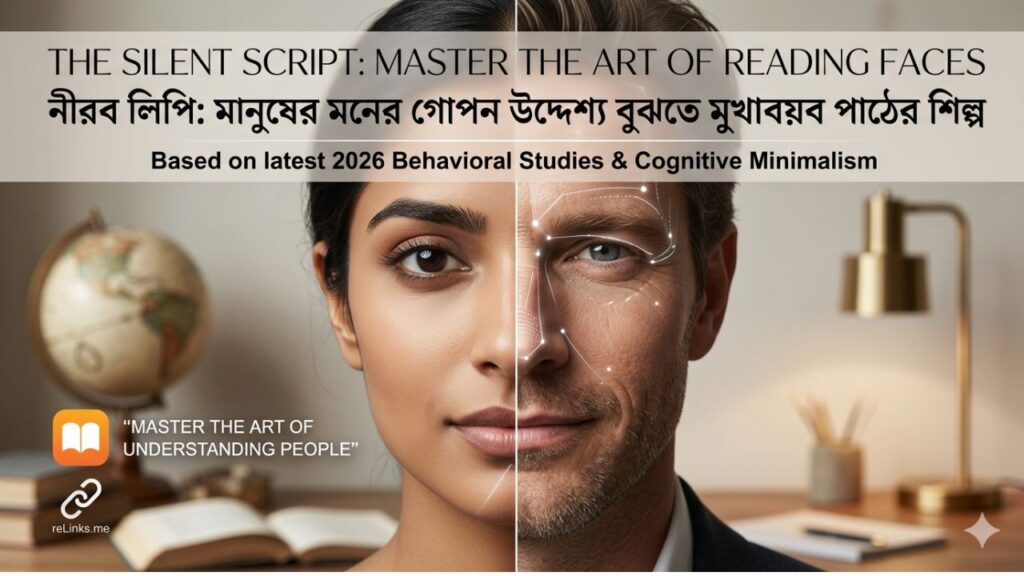
The Silent Script: Master the Art of Reading Faces to Unlock Human Motives
In an age of digital noise and information overload, the most profound data isn’t found on a screen—it’s written on the human face. Every conversation is a dual dialogue: the one spoken with words and the one written in the subtle twitch of a lip or the narrowing of an eye. Learning to “read” a person like an open book isn’t a superpower; it’s a refined skill of observation. By stripping away the clutter of speech and focusing on the biological canvas of the face, we can gain deeper insights into the true intentions, hidden stressors, and genuine emotions of those around us.
The Art of Face Reading: Reading a Person Like an Open Book
Face reading, or **physiognomy, is the ancient art of observing facial features and expressions to understand a person’s character, emotions, and hidden motives. While it isn’t an exact science, it is a powerful tool for enhancing **cognitive awareness** and social intelligence.
1. The Three Zones of the Face
To read a face, first divide it into three horizontal sections:
The Upper Zone (Forehead to Eyebrows): Represents the **intellectual** mind and thought processes.
The Middle Zone (Eyebrows to Tip of Nose): Represents **ambition**, ego, and the “doing” years of life.
The Lower Zone (Nose to Chin): Represents the **instinctual** nature, physical stamina, and private self.
2. Key Features and Their Meanings
The Eyes (The Windows of the Soul):
Direct eye contact* often signals confidence or interest.
Pupil dilation* can indicate excitement or attraction.
Squinting usually suggests suspicion, tension, or deep concentration.
The Eyebrows:
High-arched eyebrows* can indicate a more dramatic personality or someone who likes to observe before acting.
Straight, low eyebrows* often belong to practical, down-to-earth thinkers.
The Mouth and Lips:
Thin lips* are often associated with logical, concise communicators.
Full lips* can suggest a more nurturing, expressive personality.
A tightened jaw* or compressed lips often hide suppressed anger or stress.
3. Detecting Motives through Micro-expressions
Micro-expressions are involuntary facial leaks that happen in a fraction of a second.
The “Micro-Smirk”: A slight upward pull on one side of the mouth often indicates **contempt** or a feeling of superiority.
Nose Crinkling: Usually signals **disgust**, even if the person is trying to be polite.
Raised Inner Eyebrows:** A sign of **genuine sadness** or distress that is very difficult to fake.
10 Fresh & Latest Ideas for 2026 (Face Reading)
To make your article “trending,” integrate these modern insights based on the latest 2026 psychological research and AI-influenced behavioral studies:
1. The “Digital Resting Face” vs. Reality: In 2026, many people have developed a “Zoom mask”—a controlled facial baseline used for cameras. Teach readers to look for the “Breakout Moment” immediately after a video call ends or when someone thinks the camera is off; this is where the true emotion leaks.
2. Multimodal Sensitivity: Modern research shows that faces alone can be deceptive during intense emotions (like “tears of joy”). Advise readers to look for Facial-Body Congruence—if the face looks sad but the hands are relaxed, it may be a “social mask” rather than genuine grief.
3. The “Liveness” of the Eyes: With deepfakes becoming common, we now value “Saccadic Movements” (tiny, rapid eye jumps). A lack of these natural micro-movements can signal that a person is being overly calculated or “performing” a role.
4. AI-Enhanced Intuition: Mention how modern “Emotion AI” helps us understand that Micro-Expressions aren’t just about the type of emotion, but the intensity (the “volume”) of the feeling.
5. The Gut-Brain-Face Link: Discuss the Vagus Nerve—stress in the gut often manifests as a slight “stiffness” in the lower jaw and neck, even if the person is smiling.
6. The “Nose-Flop” of Deception: When a person is being untruthful, the tissues in the nose can slightly engorge with blood (the “Pinocchio Effect”), causing a person to subconsciously scratch or touch their nose.
7. Cognitive Load Indicators: Watch the Blink Rate. When a person is mentally overwhelmed or lying, their blink rate often drops during the “thinking” phase and then spikes rapidly once they finish speaking.
8. The “Asymmetry of Contempt”: Contempt is the only universal emotion that is unilateral (happens on only one side of the face). A half-smile is rarely a sign of half-happiness; it’s usually a sign of superiority.
9. Pupillary Preference: In 2026, we focus on “Preference Prediction.” If a person’s pupils dilate while looking at an idea or object you’ve presented, their subconscious has already “bought in,” regardless of what their words say.
10. The Crow’s Feet Truth: Reiterate the Duchenne Smile. Genuine joy must involve the Orbicularis Oculi muscle (causing crinkles at the eyes). If the eyes aren’t “smiling,” the heart isn’t either.
To know more: Read our book: Master The Art of Understanding People
Master The Art of Understanding People: Unlock the secrets of human behavior and master the art of understanding people with Master the Art of Understanding People. This transformative guide teaches you how to decode nonverbal cues, detect deception, uncover hidden motivations, and harness the life-changing power of emotional intelligence. Whether you’re navigating personal relationships, advancing your career, or building trust with others, this book equips you with practical, actionable skills to connect deeply and communicate effectively in every area of life.
https://books.apple.com/us/book/master-the-art-of-understanding-people/id6740426270
নীরব লিপি: মানুষের মনের গোপন উদ্দেশ্য বুঝতে মুখাবয়ব পাঠের শিল্প আয়ত্ত করুন
ডিজিটাল কোলাহল এবং তথ্যের ভিড়ে ঘেরা এই যুগে, সবচেয়ে গুরুত্বপূর্ণ তথ্যগুলো কোনো স্ক্রিনে নয়—বরং মানুষের মুখে খোদাই করা থাকে। প্রতিটি কথোপকথন আসলে দুই ধরনের হয়: একটি শব্দের মাধ্যমে এবং অন্যটি ঠোঁটের সামান্য কম্পন বা চোখের কোণের সঙ্কোচনের মাধ্যমে। কাউকে একটি খোলা বইয়ের মতো ‘পড়া’ শিখতে পারা কোনো জাদুকরী ক্ষমতা নয়; এটি পর্যবেক্ষণের একটি সূক্ষ্ম দক্ষতা। কথার জটিলতা সরিয়ে রেখে মুখের জৈবিক পরিস্থিতির ওপর নজর দিলে আমরা সামনের মানুষের প্রকৃত উদ্দেশ্য, মানসিক চাপ এবং আসল আবেগ সম্পর্কে গভীর জ্ঞান অর্জন করতে পারি।
মুখাবয়ব পাঠের শিল্প: একজন মানুষকে বইয়ের মতো পড়তে শিখুন
মুখ দেখে মানুষের চরিত্র বা মনোভাব বোঝা একটি প্রাচীন বিদ্যা। এটি মানুষের চরিত্র, আবেগ এবং গোপন উদ্দেশ্য বুঝতে সাহায্য করে। একে **ফেজ রিডিং** বা ফিজিওগনোমি (Physiognomy) বলা হয়।
১. মুখের তিনটি প্রধান অংশ
মুখকে পড়ার সুবিধার্থে তিনটি অংশে ভাগ করা যায়:
উপরের অংশ (কপাল থেকে ভ্রু): এটি মানুষের বুদ্ধিবৃত্তিক ক্ষমতা এবং চিন্তা করার প্রক্রিয়া নির্দেশ করে।
মধ্যম অংশ (ভ্রু থেকে নাকের ডগা): এটি মানুষের **উচ্চাকাঙ্ক্ষা**, কর্মক্ষমতা এবং আত্মমর্যাদার প্রতীক।
নিচের অংশ (নাক থেকে চিবুক): এটি মানুষের **প্রবৃত্তি**, শারীরিক সহ্যক্ষমতা এবং ব্যক্তিগত সত্তাকে বোঝায়।
২. প্রধান বৈশিষ্ট্য ও তাৎপর্য
চোখ (হৃদয়ের আয়না):
সরাসরি চোখের দিকে তাকানো* আত্মবিশ্বাস বা আগ্রহের লক্ষণ।
চোখ ছোট করে তাকানো* সন্দেহ বা গভীর মনোনিবেশ বোঝায়।
ভ্রু:
ধনুকের মতো বাঁকানো ভ্রু* সৃষ্টিশীল এবং আবেগপ্রবণ ব্যক্তিত্বের লক্ষণ।
সোজা ও নিচু ভ্রু* বাস্তববাদী চিন্তাধারার পরিচয় দেয়।
মুখ ও ঠোঁট:
সরু ঠোঁট যুক্তিযুক্ত এবং সংক্ষিপ্ত কথার মানুষের পরিচয় দেয়।
পুরো ঠোঁট আবেগপ্রবণ এবং স্নেহশীল স্বভাবের পরিচয় হতে পারে।
শক্ত চোয়াল মানসিক চাপ বা চেপে রাখা রাগের বহিঃপ্রকাশ।
৩. উদ্দেশ্য ও মানসিক অবস্থা বোঝার কৌশল
ক্ষণিক অভিব্যক্তি (Micro-expressions): এগুলো সেকেন্ডের ভগ্নাংশের জন্য মুখে ফুটে ওঠে যা মানুষ লুকাতে পারে না।
একদিকের ঠোঁট বেঁকানো: এটি সাধারণত অবজ্ঞা বা নিজেকে বড় ভাবার সংকেত।
নাক কুঁচকানো: এটি ঘৃণা বা কোনো কিছু অপছন্দ করার লক্ষণ।
ভ্রুর ভেতরের দিক উপরে ওঠা: এটি প্রকৃত দুঃখ বা কষ্টের লক্ষণ যা সহজে নকল করা যায় না।
মুখাবয়ব পাঠের ১০টি আধুনিক এবং অভিনব আইডিয়া (২০২৬ সংস্করণ)
১. “ডিজিটাল মাস্ক” বনাম বাস্তবতা: বর্তমান যুগে জুম বা ভিডিও কলের জন্য মানুষ একটি কৃত্রিম “ক্যামেরা ফেস” তৈরি করে রেখেছে। পাঠকদের শেখান কীভাবে “ব্রেকআউট মোমেন্ট” ধরতে হয়—অর্থাৎ ভিডিও কল শেষ হওয়ার ঠিক আগের বা পরের মুহূর্তটি লক্ষ্য করুন; সেখানেই আসল ক্লান্তি বা বিরক্তি ধরা পড়ে।
২. মুখ ও শরীরের সামঞ্জস্য (Congruence): আধুনিক গবেষণা বলছে শুধু মুখ দেখে অনেক সময় বিভ্রান্তি হতে পারে (যেমন: খুশির কান্না)। পাঠকদের পরামর্শ দিন মুখের হাসির সাথে শরীরের ভঙ্গি মিলিয়ে দেখতে। যদি মুখ হাসে কিন্তু হাত-পা শক্ত হয়ে থাকে, তবে বুঝবেন সেই হাসিটি মেকি বা সামাজিক সৌজন্য মাত্র।
৩. চোখের জীবন্ত স্পন্দন (Saccadic Movements): ডিপফেক (Deepfake) বা এআই প্রযুক্তির যুগে চোখের মণির ক্ষুদ্র এবং দ্রুত নড়াচড়া অত্যন্ত গুরুত্বপূর্ণ। যদি কারো চোখের মণি খুব স্থির থাকে, তবে বুঝতে হবে ব্যক্তিটি কোনো কিছু লুকানোর জন্য অনেক বেশি সচেতন বা কৃত্রিম অভিনয় করছেন।
৪. ইমোশন এআই ও আবেগের তীব্রতা: এখন আমরা জানি যে ক্ষণস্থায়ী অভিব্যক্তি (Micro-expressions) শুধু আবেগের ধরন নয়, বরং আবেগের তীব্রতা বা ভলিউম নির্দেশ করে। সামনের মানুষটি কতটা গভীরভাবে বিষয়টি অনুভব করছেন, তা তাঁর ঠোঁটের সূক্ষ্ম কাঁপুনি দেখে বোঝা সম্ভব।
৫. ভেগাস নার্ভ ও চোয়ালের টান: পেটের সাথে মস্তিষ্কের গভীর সম্পর্ক রয়েছে। যখন কেউ মানসিকভাবে চাপে থাকে, তখন তার পেটের অস্থিরতা চোয়ালের পেশিতে প্রকাশ পায়। হাসিমুখে কথা বললেও লক্ষ্য করবেন তাদের নিচের চোয়াল বা ঘাড়ের পেশি সামান্য শক্ত হয়ে আছে।
৬. নাক স্পর্শ করার রহস্য (পিনোকিও ইফেক্ট): যখন মানুষ মিথ্যে বলে বা বিভ্রান্ত থাকে, তখন নাকের টিস্যুতে রক্ত সঞ্চালন সামান্য বেড়ে যায়। এর ফলে মানুষ অবচেতনভাবে নাকে হাত দেয় বা নাক চুলকায়। কথোপকথনের গুরুত্বপূর্ণ মুহূর্তে এটি একটি বড় সংকেত।
৭. চোখের পলক পড়ার হার (Blink Rate): যখন মানুষের মাথায় অতিরিক্ত চিন্তা থাকে বা সে কিছু বানিয়ে বলার চেষ্টা করে (Cognitive Load), তখন তার চোখের পলক পড়া সাময়িকভাবে কমে যায়। কথা বলা শেষ হওয়ার সাথে সাথেই আবার দ্রুত পলক পড়তে থাকে।
৮. অবজ্ঞার একপাক্ষিক হাসি (Asymmetry of Contempt): অবজ্ঞা বা তুচ্ছজ্ঞান হলো একমাত্র আবেগ যা মুখের কেবল একপাশে ফুটে ওঠে। যদি কেউ একদিকের ঠোঁট বাঁকিয়ে হাসে, তবে বুঝবেন তিনি আপনাকে বা আপনার কথাকে গুরুত্ব দিচ্ছেন না।
৯. চোখের মণির প্রসারণ (Pupillary Preference): কোনো আইডিয়া বা বস্তুর প্রতি আমাদের অবচেতন আগ্রহ থাকলে চোখের মণি নিজে থেকেই বড় হয়ে যায়। আপনার কোনো প্রস্তাবে সামনের জনের মণি বড় হয়ে ওঠা মানে তাঁর মন ইতিমধ্যেই সায় দিয়েছে, মুখ যা-ই বলুক না কেন।
১০. চোখের হাসির সত্যতা (Duchenne Smile): আসল হাসির জন্য চোখের পাশের পেশি (Crow’s feet) সংকুচিত হওয়া জরুরি। যদি কারো শুধু ঠোঁট হাসে কিন্তু চোখের কোণে ভাঁজ না পড়ে, তবে সেই হাসি হৃদয় থেকে আসছে না।