A Path to Resilience and Well-Being

Stress has turned out now as an unavoidable part of daily life, often leading to an overwhelmed nervous system. This intricate system, responsible for regulating our body’s response to stress and managing our emotional well-being, can become imbalanced, resulting in anxiety, fatigue, and various health issues. However, healing your nervous system is not only possible but also essential for achieving lasting health and resilience. Note the following key points to fix how to embark on this transformative journey.
1. Understand the Basics of Your Nervous System
Before diving into healing practices, it’s essential to understand the two primary branches of your nervous system: the sympathetic and parasympathetic systems. The sympathetic nervous system triggers the “fight or flight” response, while the parasympathetic system promotes relaxation and recovery. Learning to balance these two systems is key to healing.
2. Practice Mindfulness and Meditation
Mindfulness is a powerful tool for calming the nervous system. By focusing on the present moment, you can reduce anxiety and stress. Try incorporating daily mindfulness practices into your routine, such as:
Meditation: Spend 5–10 minutes each day in meditation. Focus on your breath, observe your thoughts without judgment, and allow yourself to be present.

Body Scan: Lie down comfortably, close your eyes, and mentally scan your body from head to toe. Notice areas of tension and consciously relax them.
Gratitude Journaling: Each day, write down three things you’re grateful for. This practice helps shift your focus from stressors to positive aspects of your life.
3. Engage in Regular Physical Activity
Physical exercise is one of the most effective ways to heal the nervous system. It releases endorphins, which are natural mood lifters. Consider the following activities:
Aerobic Exercise: Aim for at least 30 minutes of moderate aerobic activity (like walking, cycling, or swimming) most days of the week.
Yoga and Tai Chi: These practices not only improve flexibility and strength but also promote mindfulness and relaxation, helping to balance the nervous system.
Nature Walks: Spend time in nature to reduce stress and enhance your mood. Nature exposure has been shown to lower levels of cortisol, the stress hormone.
4. Prioritize Sleep Hygiene
Quality sleep is vital for a healthy nervous system. Poor sleep can exacerbate stress and anxiety. Improve your sleep hygiene with these tips:
Create a Relaxing Bedtime Routine: Wind down an hour before bed with calming activities such as reading, gentle stretching, or taking a warm bath.
Limit Screen Time: Reduce exposure to screens at least an hour before bedtime to prevent disruptions in your circadian rhythm.
Optimize Your Sleep Environment: Keep your bedroom dark, quiet, and cool. Consider using earplugs, eye masks, or white noise machines to enhance your sleep quality.
Read ourBook “Power of Sleep & Supplements” dedicated to improving sleep to have good health. Click http://drgurudas.com/books/the-power-of-sleep-supplements/

5. Nourish Your Body with Healthy Foods
What you eat can significantly impact your nervous system. A balanced diet rich in nutrients can help stabilize your mood and energy levels. Consider these dietary tips:
Omega-3 Fatty Acids: Incorporate foods like salmon, walnuts, and flaxseeds, which have been linked to reduced anxiety and improved brain health.
Antioxidant-Rich Foods: Fruits and vegetables, particularly berries, leafy greens, and citrus, help combat oxidative stress and inflammation in the nervous system.
Stay Hydrated: Dehydration can lead to fatigue and irritability. Aim to drink plenty of water throughout the day.
6. Establish Healthy Boundaries
An overwhelmed nervous system often stems from taking on too much. Learning to establish healthy boundaries is crucial for mental and emotional well-being:
Learn to Say No: Prioritize your well-being by saying no to commitments that drain your energy or create undue stress.
Limit Negative Influences: Surround yourself with supportive individuals and reduce exposure to negativity, whether in relationships or media consumption.
Take Breaks: Allow yourself time to recharge throughout the day, especially during high-stress periods.

7. Explore Therapeutic Techniques
Consider seeking professional support to aid in your healing journey. Various therapeutic modalities can be beneficial:
Cognitive Behavioral Therapy (CBT): This therapy helps identify and change negative thought patterns, reducing anxiety and stress.
Somatic Experiencing: This body-centered therapy focuses on releasing trauma stored in the body, promoting healing at a deeper level.
Massage and Bodywork: Therapeutic touch can help release tension, promote relaxation, and enhance overall well-being.
Healing your nervous system is a vital step toward achieving resilience and overall well-being. By incorporating mindfulness practices, engaging in regular physical activity, prioritizing sleep, nourishing your body, establishing healthy boundaries, and exploring therapeutic techniques, you can foster a balanced nervous system. Remember, healing is a journey, and small, consistent steps can lead to profound changes. Embrace this journey with patience and compassion, and watch as your life transforms for the better.
Self-reflection prompts, based on above 7 topics, to help strengthening your understanding and facilitate your journey towards healing:
1. Understand the Basics of Your Nervous System
What do I know about my nervous system and how it affects my body and mind?
How do I typically respond to stress, and which responses seem most automatic for me?
Can I identify moments when I feel my sympathetic nervous system activated? What triggers those moments?
2. Practice Mindfulness and Meditation
How often do I take time to focus on the present moment? What practices work best for me?
What thoughts or feelings arise when I try to meditate? How do I respond to them?
In what ways can I incorporate mindfulness into my daily activities beyond formal practice?
3. Engage in Regular Physical Activity
How do I currently feel about my physical activity levels? Am I satisfied, or do I feel I need more movement?
What types of physical activities do I enjoy, and how can I integrate them into my routine?
How does my body feel after exercising versus when I’m inactive? What differences do I notice in my mood and energy levels?

4. Prioritize Sleep Hygiene
What is my current sleep routine, and how effective is it in helping me get restorative sleep?
How do I feel physically and emotionally after a good night’s sleep compared to a poor night’s sleep?
What barriers do I face in achieving better sleep, and what steps can I take to overcome them?
5. Nourish Your Body with Healthy Foods
How aware am I of my eating habits? What do I typically choose to eat on a daily basis?
In what ways do I notice my mood or energy levels affected by what I eat?
What small changes can I make to improve my diet for better nervous system health?
6. Establish Healthy Boundaries
What areas of my life feel overwhelming or draining, and how can I create boundaries to protect my energy?
How do I typically react when I need to say no to others? What feelings come up for me?
What supportive relationships exist in my life, and how can I nurture them while distancing from negative influences?
7. Explore Therapeutic Techniques
Have I ever sought professional help for my mental or emotional well-being? What was that experience like?
What therapeutic approaches have I tried, and which ones resonated with me?
How do I feel about exploring new therapeutic techniques or modalities? What fears or concerns do I have?
Using these self-reflection prompts can help you gain clarity on your current state and guide you toward actionable steps in your journey to heal your nervous system. Taking the time to explore these questions can foster greater self-awareness, helping you to cultivate a deeper understanding of your needs and the changes you wish to make.
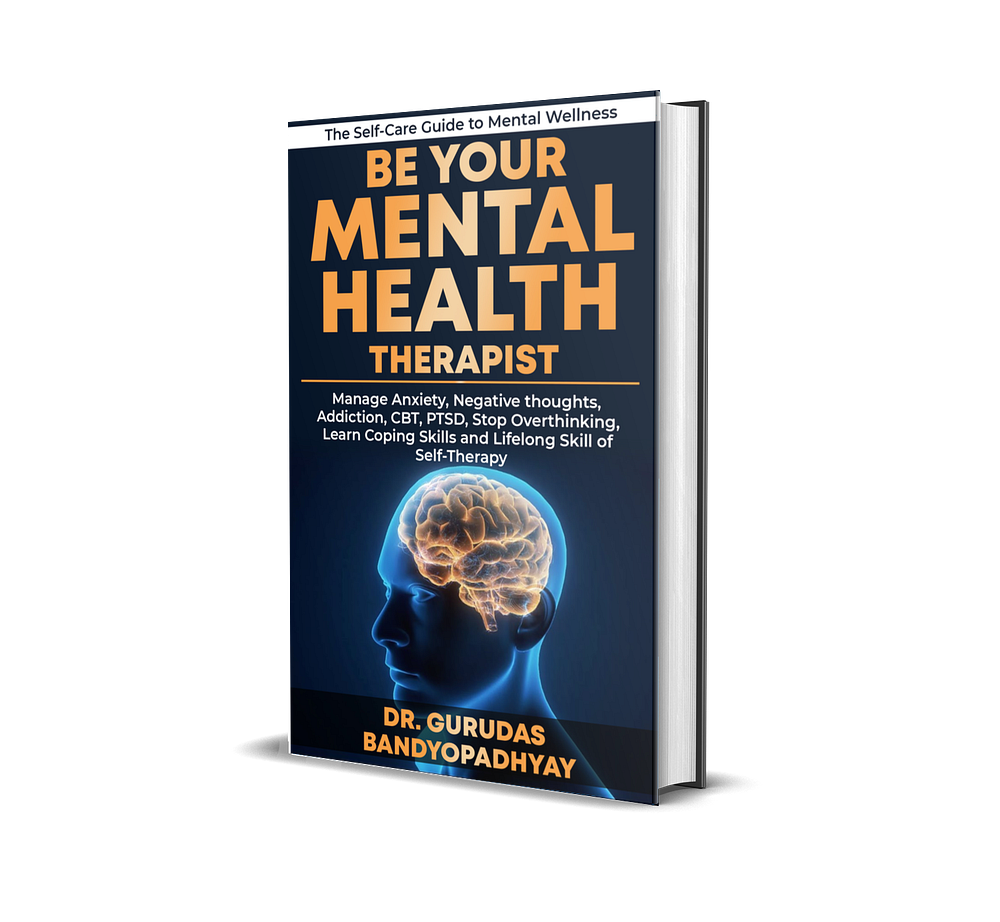
To learn more, read my book “Be Your Mental Health Therapist” Click https://relinks.me/B0C4M8GKC4
If you are interested for continuous learning and development, stay connected. Take my FREE Book — The Art of Incremental Growth
Click and get my Book FREE. It will be delivered to your email inbox.
https://guru-author.ck.page/3c4d14ca65
Over 130 pages book in pdf comprising 11 chapters.
Understand psychology behind incremental growth, need for celebrating small victories, understand power of mindset, and foster letting go through small wins.
cheers!